Workbook 3
Background ideas about investigating conversations
Here are some ideas I found useful to notice, name and talk about what might be going on.
Take a critical stance to your thinking
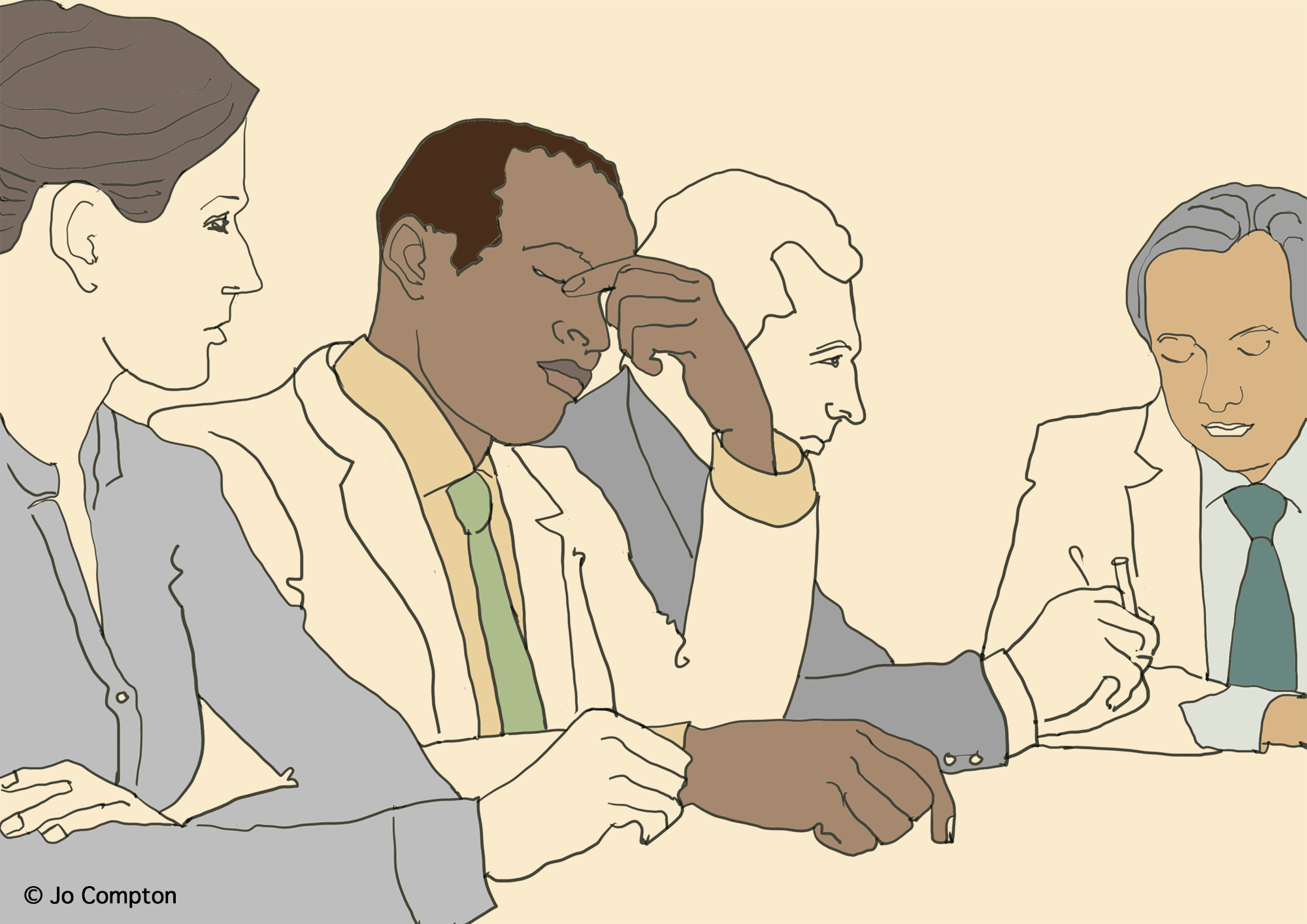
My first reading
It’s obvious I’m struggling to think beyond what I think is going on. That events are adequately explained as a personality clash. Tom is in the wrong and we nurses need to stick together.
This first reading has to be subjected to a self-led critical scrutiny. To defamiliarise the situation: to make the familiar strange.[2] To open up a conversation (in our heads and/or with others) about how the individual behaviours we judge ‘good’ or ‘bad’ and the choices people make, have their origins in the work culture within which an ‘event’ occurs. Basically, to find the possibilities in the situation, so when similar events are faced there can be a safer, better outcome.
A way to do this is to develop a second reading. This means asking yourself and anyone else interested, some or all of these questions. The task is to surface taken for granted ways of thinking, to be less certain, more curious.
How to question your own thinking
- Is this the only reading of events?
- Who do I assume is in the wrong?
- Who has my sympathy and why?
- What am I taking for granted?
- What am I not thinking about?
- Who am I at risk of ignoring and why?
- What am I at risk of ignoring and why?
- What is the problem these people are grappling with?
- How do they each describe the problem?
- Who else is helping to define ‘their ‘problem?
- What choices are available to those trying to manage this problem?
- Who seems to feel most authorised by the way the problem is defined?
- What are the unspoken concerns, anxieties do people have?
- What sort of conversation is this – instrumental or inquiry?[3]
- ‘Instrumental’ – one person telling others what to do because the problem is one we have defined and there is an agreed procedure. Can you get on with it please.
- ‘Inquiry’ – I’m not sure what we are facing, or what to do. I don’t have enough information. We need to collaborate to come an agreement about what is going on, what to do and what to look out for as we act.
- What rules and conventions govern how people talk?
- Do they take turns to speak?
- How do they interrupt each other?
- How do they help each other to say more?
- How do they silence each other?
- How is challenge enacted and experienced?
- How do people silence themselves?
- How are volume, tone and language used to impose a view?
- What attention is paid to how anyone is feeling?
- What is being ignored or silenced in this conversation?
- What topics, issues, people, are off limits?
- Does it matter?
- If it does – what are the consequences for whom?
- Who benefits from the silence?
- What are the things most difficult to say but would help?
A second reading of events
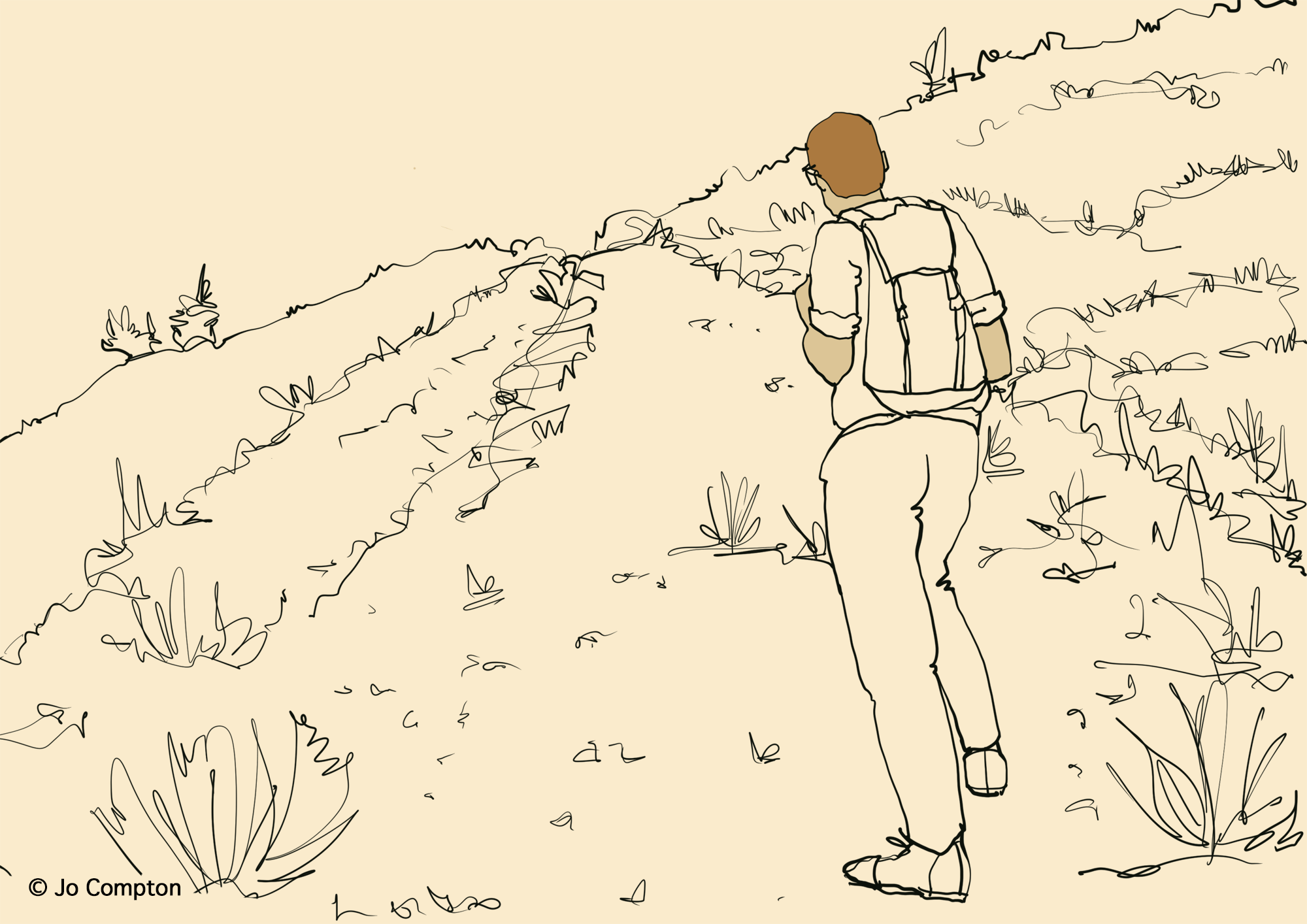
My second reading.
- What and who enables his certainty?
- Who or what has led to the association of authority with certainty?
- So, what does he do with any doubts he may have?
- If ‘emptying ambulances’ is ‘common sense,’ how can it then be subject to critical scrutiny by him, Grace, or anyone, on this particular Friday night?
- While Tom is enabled and emboldened by his association and invocation of the senior team, how is he constrained?
- How might the senior team hear questions about their approach – as dissent, insightful, disobedient?
- What is being pushed out of sight and why?
- What work culture assumptions are implied about the role of matrons, nurses, women, to sustain ‘good’ feelings in her team and in others – do the ‘emotional labour,’ around here? [4]
- What stops him seeing Grace’s emotional state?
- What would need to be different to acknowledge how clinical work has an emotional impact and shapes behaviour?
- What stops him offering practical help to improve things?
- What stops Grace talking about her experience?
- What stops Tom talking about what his role feels like?
- What would Grace need to stop her walking away?
A second reading brings into view the assumptions, experiences and thinking that inevitably underpin a first reading. To keep in mind that however confident I and my colleagues may be in our initial reading, it is unlikely to be the only reading, the only explanation of events.
Over confidence in an initial explanation usually means simplistic advice. For example, telling Grace she must ‘speak up in future’; she needs counselling. Advice that replicates and reinforces the assumption that ‘this is basically your fault’ places an intolerable burden on her to be the one in the ‘room’, to speak to what others would prefer is unspoken, cannot hear.
A second reading is about seizing the opportunity a ‘crisis’ offers to develop useful responses by bringing back into view the role of others. Who by their acts and omissions over time, have also contributed to moments like that enacted by Tom and Grace.
What helped me develop a second reading was to think of Tom and Grace as actors, delivering the emergency department evening performance to a packed house. In the background are the director, the producers, accountants, script writers, dialect coaches and set designers, who are an integral part of any performance. When it goes well, or when the critics pan the show, they should also step forward to account for their contribution.
A level of accountability that requires leaders who are reflexive. People who have accepted the role, status and remuneration of leadership, who feel safe enough to be curious to ask themselves and others the following:
This work is not easy. But, if people are to feel safe enough to speak up, collaborate and question the work culture, the missing conversations, the words not spoken, heard, debated and tested have to take place.
The Ideas in Action section describes an alternative version of that Friday night. A version that emerges when senior leaders, line managers and those on stage have the four missing conversations, imagine here.