Workbook 1
I need to say something
Introduction
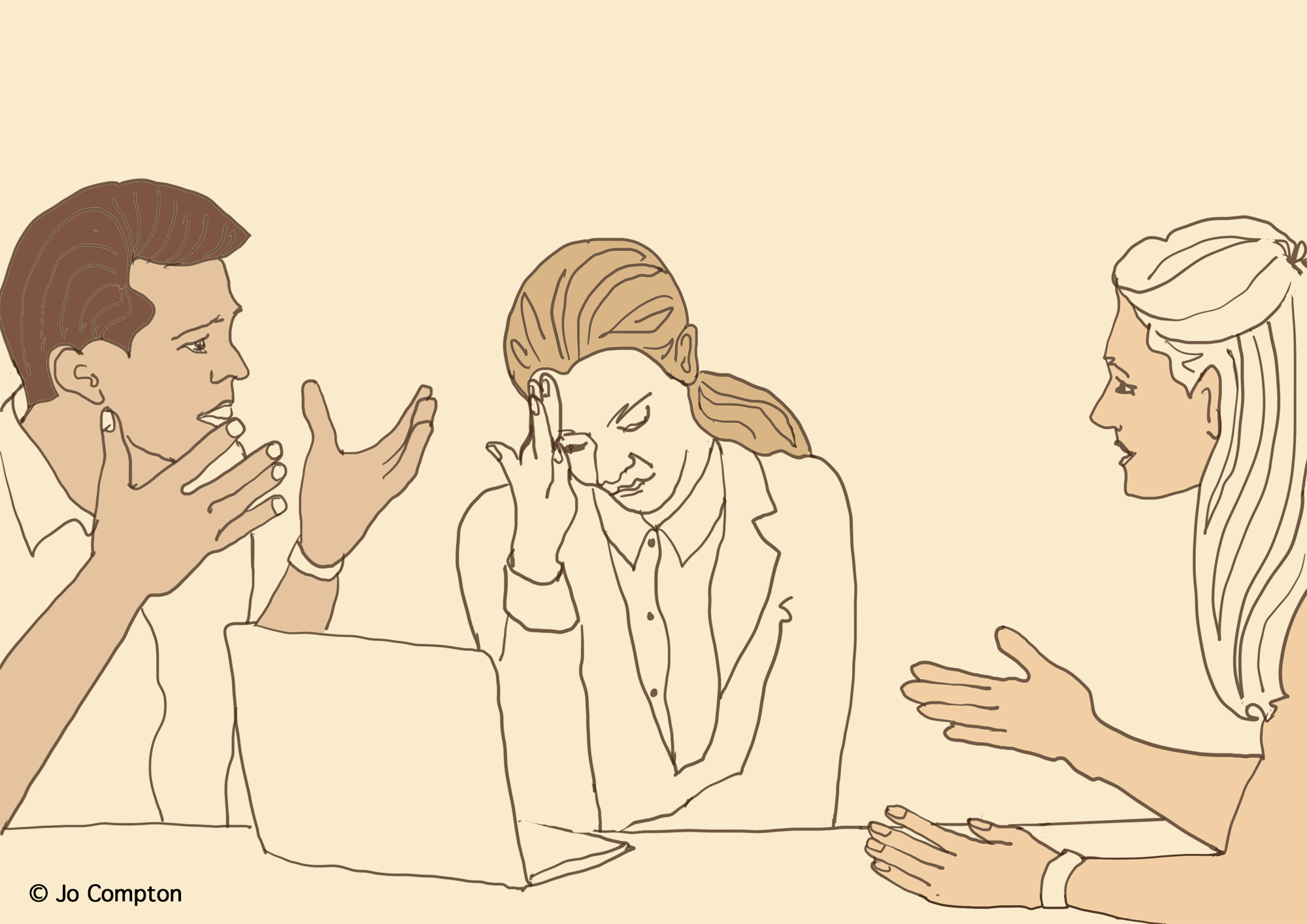
The ideas and suggestions that follow, can reduce the risk of being silenced and one’s capacity to think, going AWOL. Here are ways to be ‘constructively awkward’. The capacity to speak about things others are reluctant to think about; in a way that sustains working relationships. The skills to resist those who would prefer others to be quiet, compliant, docile.
To be constructively awkward is hard work, both cognitive and emotional labour. A capacity that fluctuates according to context, how others are thinking and behaving and how safe you and they feel. In the end, the decision to speak is a combination of our internal deliberations (what is being asked of me in this situation?) and the harnessing of that tricky wild horse called rage, to a list of good questions.
Given the risk of one’s thinking being temporarily incapacitated by anxiety, a good investment is the humble notebook. A professional and personal development tool, to be pulled out when you find yourself in a cramped space, full of others’ certainty. A device, with a long history of capturing and storing the writer’s knowledge, thoughts, questions and doubts during turbulent times.[2]
Read the below for
Read about other workbooks
Download PDF
Please note you may download this workbook for your own use. You may copy and distribute the material, for non-commercial purposes only, in any medium or format in un-adapted form only. But you must give attribution to Dr David Naylor, the creator.
