Workbook 3
Investigating conversations that do not go so well
Introduction
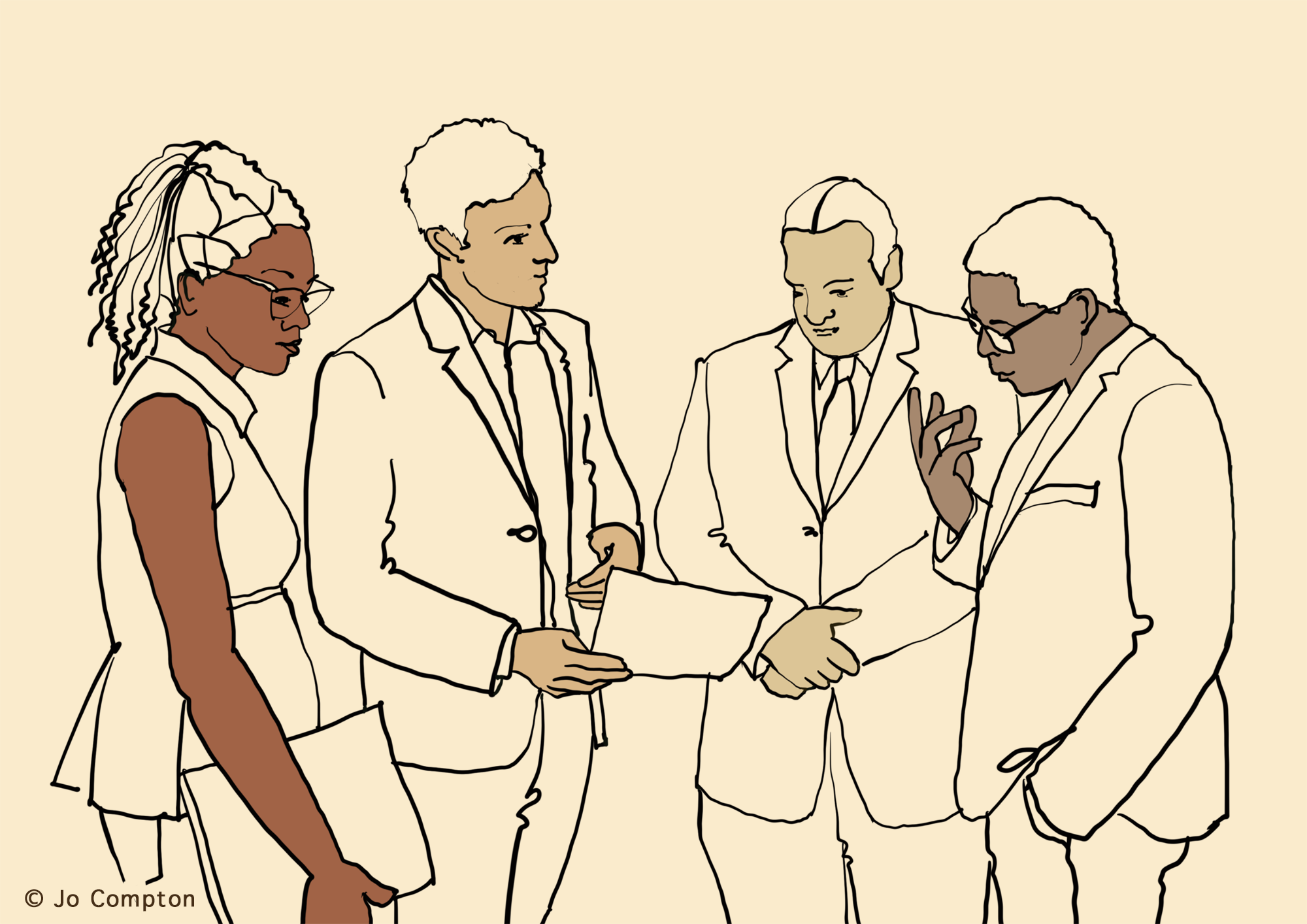
What follows is an investigation into one short conversation, based on events one Friday night in an emergency department. It is a story of a ‘failure to communicate adequately’. It is based on notes of a conversation with one of the actors - Grace. Who, because of the approach taken by the subsequent investigation (‘This is your fault’), was left feeling blamed, silenced and unable to work for several months.
You are invited to track my attempt to get beyond my initial reaction (rage) to try and understand what really went on. To investigate what enables good and skilled people, not to listen and not to speak freely; to not take a moment and think together. To understand why people might be behaving like this, about this issue, at this moment – and not to settle for lazy scapegoating of a good and able person.
It is an investigation that has forced me to face the limitations of my own thinking, my habitual ways of responding when trying to help people caught up in these moments of crisis. It is not so useful to share in someone’s rage and despair; more useful to help them get back to thinking and stay in role.
The workbook is divided into two connected sections.
‘Background ideas’ – sets out ways of thinking to develop more nuanced ‘readings’, to expose more of what is going on when people ‘fail to communicate’.
‘Ideas in action’ – describes what becomes possible when we shift our critical gaze from those ‘on stage’, failing to communicate, onto those ‘off stage’, who by their acts and omissions help determine the work culture.
First, here is the story.
A short Friday night conversation
Grace’s is a senior nurse in the emergency department (ED). There to provide ‘visible leadership’, be accountable for quality and safety and build relationships with clinicians and senior managers.
Tom is a senior manager. There to work in collaboration with clinical staff to ensure the services are efficient, safe and effective; and to implement the plans and policies of the senior leadership team.
As Grace’s shift begins, she notes all the bays and corridor ‘places’ are occupied. Later, after managing a cardiac arrest she sees Tom confidently walking towards her. She feels drained. Hears irritation in her voice.
Grace: Tom, what do you need? We are busy.
Tom: We need to empty the ambulances.
Grace: We don’t have the space. They need to wait a bit longer.
Tom: We have been told we have to. We need to get them back out.
Grace: I know that. But as I said, we do not have anywhere to put people or dare I say, enough staff. Who authorised this?
Tom: Andy, he’s senior ‘on call.’
Grace: Does he have any idea what it’s like down here? You need to tell him. We can’t deal with anymore. Just look.
Tom: I know but I’ve been told to get it done.
Grace: It will be unsafe.
Tom: I can see you’re busy. But it’s unsafe to keep people waiting in the ambulances for hours.
Grace: Tom, listen. I’m not being difficult. We will not cope. I’m going to speak to Andy. I need to make sure he knows what’s going on.
Tom: Sorry, it’s already decided.
Grace: Tom. Wait one minute. Please.
As she walks away, the ambulance trollies are wheeled into the corridor. She feels overwhelmed and useless. She retires to the office. She is later sent home and referred to HR for ‘support and counselling.’ She does not return to work for three months.
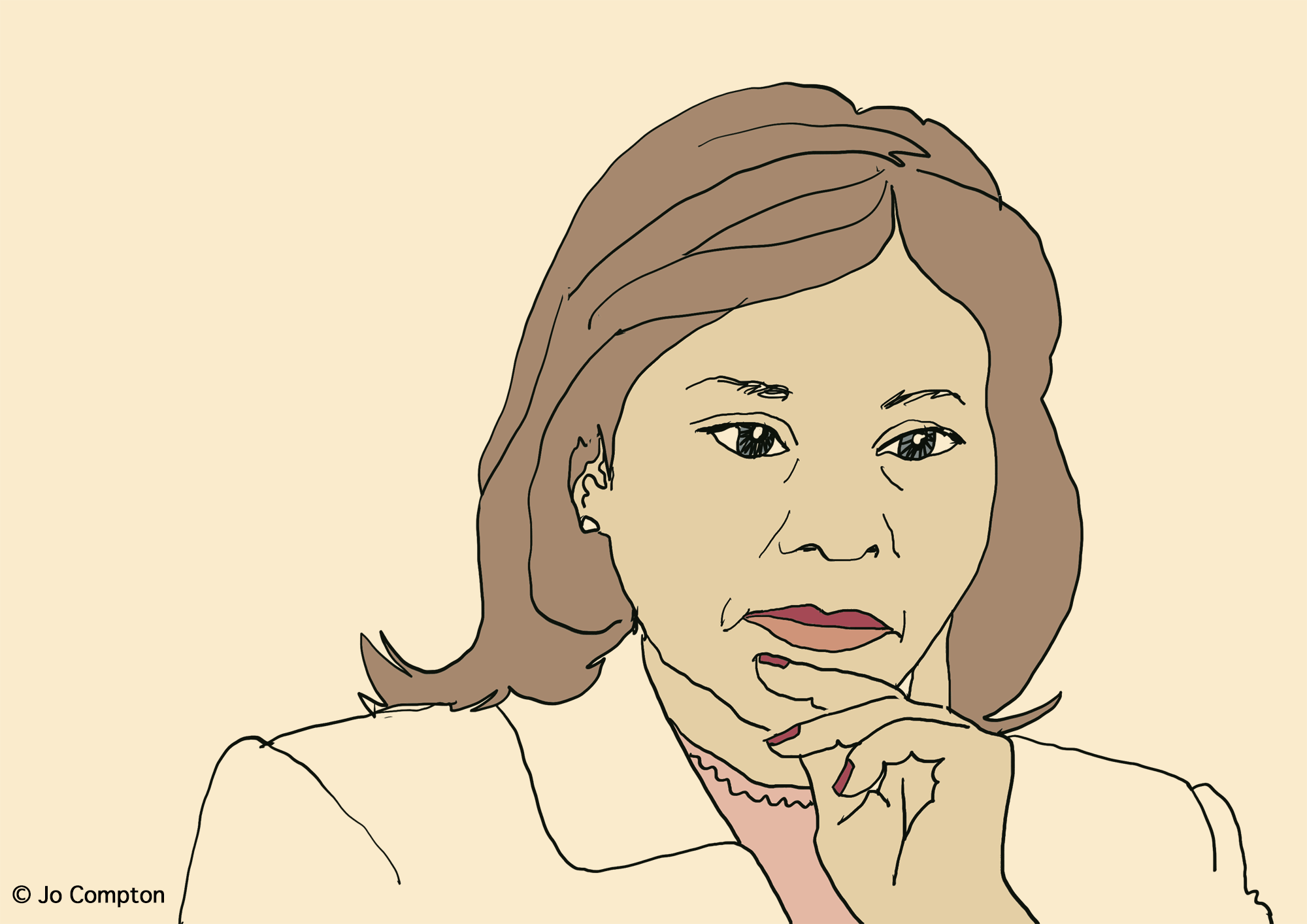
This workbook explores what becomes possible when you widen the scope of inquiry beyond the actors ‘on stage’. To consider the role of those ‘off-stage’. The senior leaders and managers who occupy powerful roles and whose actions and omissions we can fail to investigate when ‘communication fails’. Whose behavior replicates and reinforces the work culture in which things go well and wrong.
Read the below for
Read about other topics
Workbook 1
I need to say something
Download PDF
Please note you may download this workbook for your own use. You may copy and distribute the material, for non-commercial purposes only, in any medium or format in un-adapted form only. But you must give attribution to Dr David Naylor, the creator.
