Investigating exhaustion
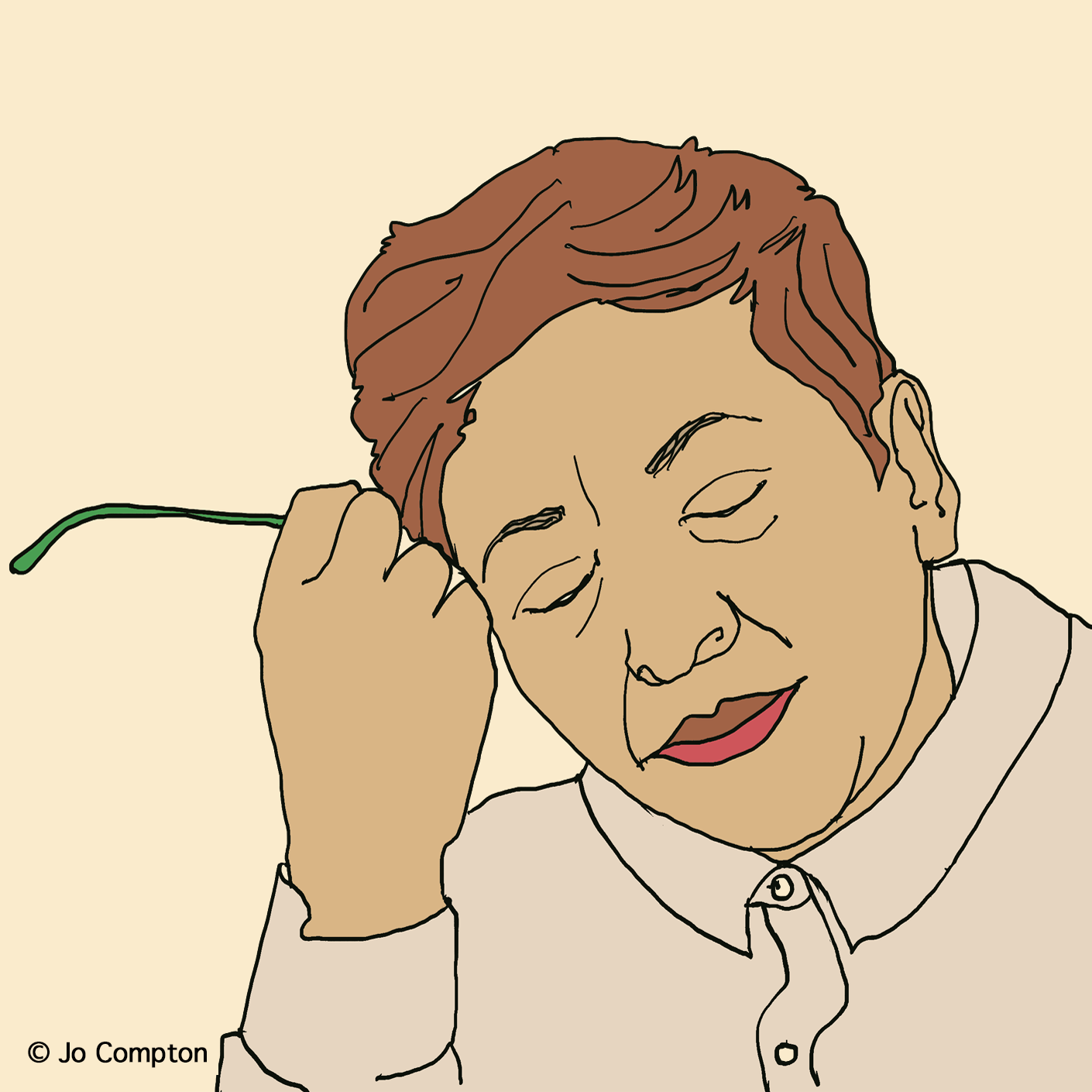
We are finally in a face to face leadership programme, six months after the pandemic. My colleague and I are with a group of clinical leaders, from the same organisation. They have been quiet for most of the two days of their programme. Attentive, thoughtful but quiet. Their quiet feels like a communication and hard to decipher. As if there is something that cannot yet be spoken about.
My colleague is leading a session on polarity mapping. A helpful concept when you are faced with irreconcilable priorities and need to ‘hold’ both. The conversation moves from talk about managing the tension between patient safety and waiting time targets, to something more personal. Chloe starts talking about the relentless pressure and that some people are at the end of their tether. Suicidal. She describes being phoned at 2am by one of her team. They cannot cope any longer, they need help. Chloe said she agreed to meet the next morning but that she too was exhausted, felt overwhelmed, useless and guilty.
There is something shocking about this story and our response to it. As one we move to reassure Chloe, to be supportive. What we are a risk of missing is the abnormality of the situation. Here is a skilled and capable leader, giving out her mobile number, being phoned by a distressed colleague at 2am. What kind of place is this? How did they get here? Why does Chloe think she has failed?
My mind goes blank and then a book appears. It’s by Emily Chappell[1], an endurance cyclist. I think she is a bit like them. Tough, professional, with extreme willpower, and unlike them, has the wisdom to know when to stop. To know when to stop racing, turn off the race tracker and ride for the joy of it. To know you have done all you can. It may not be enough, it is ok, you have given all you have.
Chappel, also like them, had experienced the loss of a valued friend and colleague. Not through a virus but through a collision with a car. She describes a moment when she can no longer force conflicting parts of herself into a coherent whole. The impossibility of reconciling her grief with being that racing cyclist others look up to. It is as if you have to stop trying so you can make progress.
Chloe, like Emily Chappel, like her colleagues in the room, is exhausted. Trapped in and by a work culture that does not allow this word - ‘exhaustion’ - to be spoken. A culture that indoctrinates people into the ‘effort’ model of work. There is always more to give. You just need to make the effort. An instruction communicated by the senior leadership when they said the pandemic was over, it was time to get back to normal. A neat way of silencing those who knew that this was not the case because they were still taking calls at 2am.
We went on to examine their work culture and how it shaped their attitudes to limits and exhaustion; in themselves and in others. How the norms and assumptions embedded in the culture prevented any talk about this experience in the formal meetings and conversations of the organisation. It was apparently ok out of hours.
It was as if exhaustion had nothing to do with the way work was organised. That it should be understood as a personal issue. A line of reasoning that authorises others to conclude some people were not sufficiently resilient. It was as if being a leader and manager around here was about keeping going and keeping others going. To never discuss the human cost, even though most people knew this approach had implications for safety and wellbeing.
Our response to exhausted people is complicated. We can refuse to acknowledge that we would rather not listen or talk about this issue. We can desperately try and help ‘victims’. Equating leadership on this issue, with the alleviation of symptoms (tried counselling, maybe you need to go off sick?). Help that can undermine further, a person’s professional identities. Leaving them isolated in their exhaustion and carrying the responsibility for what others had decided about how to organise work.
It doesn’t follow, returning to Emily Chappel, that to stop and talk, energy will miraculously return. What can change is our understanding and relationship to the experience of exhaustion. That this intensely personal experience is also determined by the acts and omissions of others. Assume this and you have to think twice before demanding more effort. An instruction that now sounds simplistic and coercive. More useful to stop and think; share experiences and collaborate on collective action to address underlying causes.
The following can help structure such a conversation.
What is each person’s experience of exhaustion?
What choices are available when people cannot do anymore?
What and who are we ignoring with our current approach?
What small changes could improve things and keep people safer?
Conclusion
An ‘effort’ culture is hard to dislodge. It offers people few choices when they reach their limits. Sometimes no more than: keep quiet; go off sick; express any suicidal thoughts out of hours. Three things can help. One, assume that the way work is organised and wider work culture are significant contributing factors. Two, assume that the way work is currently organised, is not the only way it can be organised to deliver on safety, efficiency and targets. Third, talk and listen. Authorise people to take a step back and examine their experience as symptomatic of the way work is organised. Taken together they can help people to stop blaming themselves; find a way back into their role, their authority and competence without having to silence how they feel; and identify small actions that might make it easier and still deliver.
My colleague is leading a session on polarity mapping. A helpful concept when you are faced with irreconcilable priorities and need to ‘hold’ both. The conversation moves from talk about managing the tension between patient safety and waiting time targets, to something more personal. Chloe starts talking about the relentless pressure and that some people are at the end of their tether. Suicidal. She describes being phoned at 2am by one of her team. They cannot cope any longer, they need help. Chloe said she agreed to meet the next morning but that she too was exhausted, felt overwhelmed, useless and guilty.
There is something shocking about this story and our response to it. As one we move to reassure Chloe, to be supportive. What we are a risk of missing is the abnormality of the situation. Here is a skilled and capable leader, giving out her mobile number, being phoned by a distressed colleague at 2am. What kind of place is this? How did they get here? Why does Chloe think she has failed?
My mind goes blank and then a book appears. It’s by Emily Chappell[1], an endurance cyclist. I think she is a bit like them. Tough, professional, with extreme willpower, and unlike them, has the wisdom to know when to stop. To know when to stop racing, turn off the race tracker and ride for the joy of it. To know you have done all you can. It may not be enough, it is ok, you have given all you have.
Chappel, also like them, had experienced the loss of a valued friend and colleague. Not through a virus but through a collision with a car. She describes a moment when she can no longer force conflicting parts of herself into a coherent whole. The impossibility of reconciling her grief with being that racing cyclist others look up to. It is as if you have to stop trying so you can make progress.
Chloe, like Emily Chappel, like her colleagues in the room, is exhausted. Trapped in and by a work culture that does not allow this word - ‘exhaustion’ - to be spoken. A culture that indoctrinates people into the ‘effort’ model of work. There is always more to give. You just need to make the effort. An instruction communicated by the senior leadership when they said the pandemic was over, it was time to get back to normal. A neat way of silencing those who knew that this was not the case because they were still taking calls at 2am.
We went on to examine their work culture and how it shaped their attitudes to limits and exhaustion; in themselves and in others. How the norms and assumptions embedded in the culture prevented any talk about this experience in the formal meetings and conversations of the organisation. It was apparently ok out of hours.
It was as if exhaustion had nothing to do with the way work was organised. That it should be understood as a personal issue. A line of reasoning that authorises others to conclude some people were not sufficiently resilient. It was as if being a leader and manager around here was about keeping going and keeping others going. To never discuss the human cost, even though most people knew this approach had implications for safety and wellbeing.
Our response to exhausted people is complicated. We can refuse to acknowledge that we would rather not listen or talk about this issue. We can desperately try and help ‘victims’. Equating leadership on this issue, with the alleviation of symptoms (tried counselling, maybe you need to go off sick?). Help that can undermine further, a person’s professional identities. Leaving them isolated in their exhaustion and carrying the responsibility for what others had decided about how to organise work.
It doesn’t follow, returning to Emily Chappel, that to stop and talk, energy will miraculously return. What can change is our understanding and relationship to the experience of exhaustion. That this intensely personal experience is also determined by the acts and omissions of others. Assume this and you have to think twice before demanding more effort. An instruction that now sounds simplistic and coercive. More useful to stop and think; share experiences and collaborate on collective action to address underlying causes.
The following can help structure such a conversation.
- How can these experiences inform our approach?
- What aspect of our experience do we tend to silence and why?
- How do these choices help an individual stay in role?
- How do they make it harder?
Conclusion
An ‘effort’ culture is hard to dislodge. It offers people few choices when they reach their limits. Sometimes no more than: keep quiet; go off sick; express any suicidal thoughts out of hours. Three things can help. One, assume that the way work is organised and wider work culture are significant contributing factors. Two, assume that the way work is currently organised, is not the only way it can be organised to deliver on safety, efficiency and targets. Third, talk and listen. Authorise people to take a step back and examine their experience as symptomatic of the way work is organised. Taken together they can help people to stop blaming themselves; find a way back into their role, their authority and competence without having to silence how they feel; and identify small actions that might make it easier and still deliver.