Case Studies
At some point the ideas presented here will have to tested, evaluated and developed in the real world. Where the response to our words and ideas will not be entirely predictable; and where our anxiety may lead us to choose silence. The following case studies, based on real events are chosen to illustrate those interesting and difficult moments in relation to speaking up; being silenced and listening.
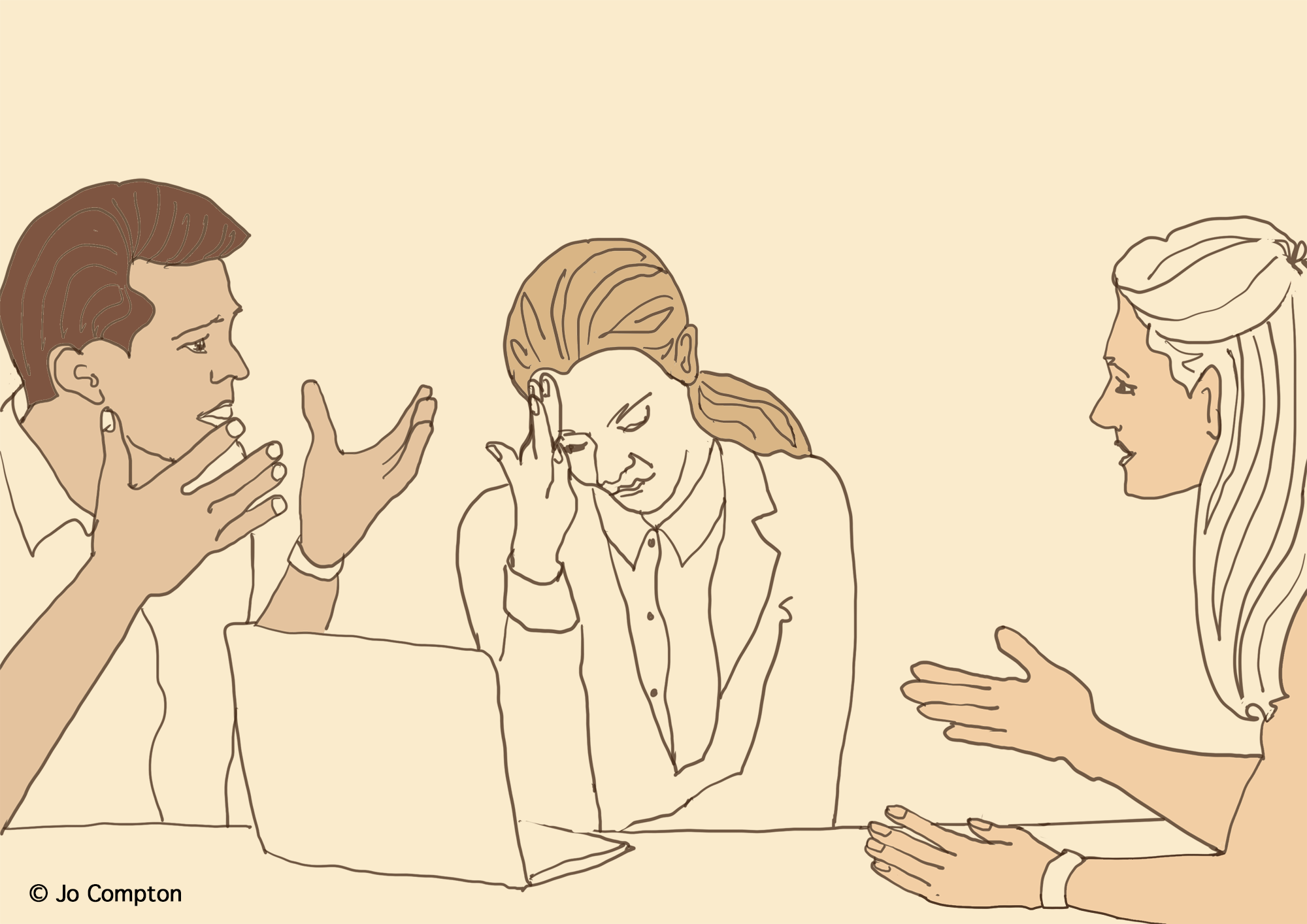




1. Self silencing
Mark is about to speak to sixty people. Most are public sector advocates. He has been invited by Sophie, one of managers of the organisation they all work for. He assumes he has been invited because of his work linking patient safety and speaking up. The brief is to talk about what to do when you feel hopeless and exhausted. Mark senses the invitation is ambiguous. Management wants to take these experiences seriously but think these are personal symptoms; individuals lack training or ‘grit.’ He knows this is an incomplete explanation. People are worn out because no one in the organisation wants to face a fact - no one wants to listen.
He has drafted a blunt opening in his notebook:
We know that speaking up, openness and candour is the policy, and you know it is not always welcomed. Sometimes, no one wants to hear what you or the people you support have to say. You’re banging on the door, but no one is going to let you in, even though you can see them hiding behind the sofa. With your help, I want to investigate this conflict. So, when frustration and exhaustion threaten, you don’t blame yourself or try to work even harder, but instead ask a question: ‘Why is this person, this issue, so hard to hear?’
As Mark walks to the lectern, he scans the room. He notes the senior team sitting together with their CEO; and Sophie a couple of rows from them. He catches her eye. He thinks she looks anxious and begins to doubt the wisdom of his opening. As he begins his voice drops. He improvises, talking in general terms, no bold opening.
Marks evolutionary brain sweeps the room and notes those in authority. Can he really be so direct with the CEO in the room? Someone who triggers a memory of his headteacher. He hated being questioned; and what will it mean for Sophie? Will he get her into trouble?
We cannot always account for the associations from the past we make in the present. Mark may also be overestimating his impact, but he has lapsed into pro-social silence/acquiescent sort of silence.
He has been invited to speak so going quiet is to slip out of role. Mark trusts his judgement about how safe the room is. A decision that prematurely ends the working through of the - what is being asked of me in this situation, question. An opportunity missed.
The opportunity missed is a conversation, in the presence of the leadership of the organisation, about the reality of advocacy work. The space to hear and question Mark’s hunch that in this organisation, people assume 'hopelessness' is best understood as 'lack' in individual practitioners. People who need support, who may lack grit. An explanation which he thinks hides an interesting question – why do we find it so hard to examine our wish to silence some peoples voices?
Mark’s silence means his hunches and questions are not shared or tested.
2. Constructive awkwardness in action: Grant
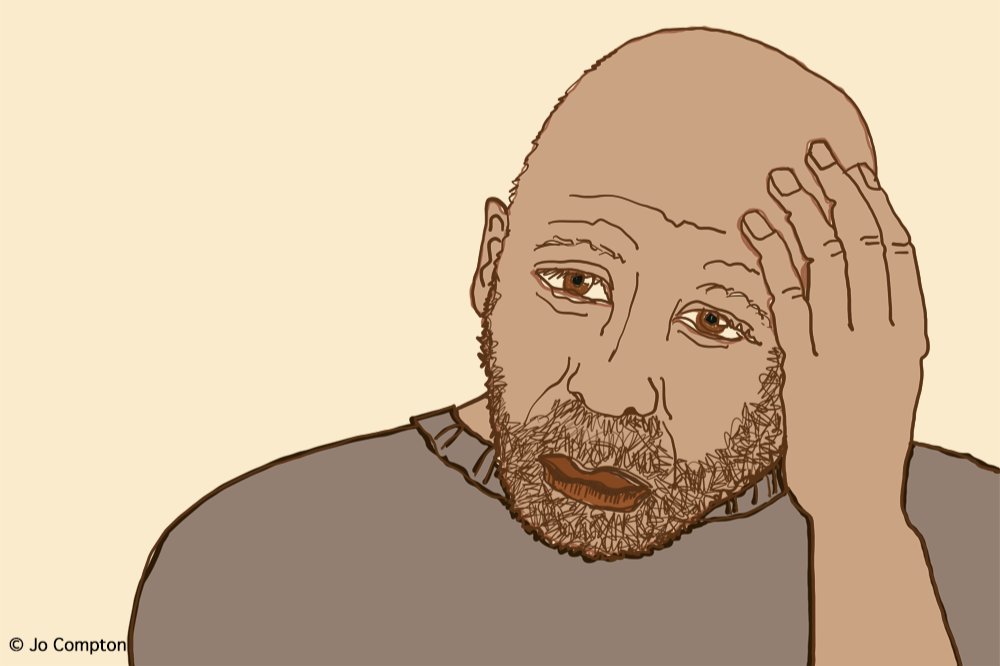
My two colleagues and I are in front of the group on the second day of a five-week leadership programme for community leaders. We have worked hard to secure the money and time to run this programme of equal status to the senior public sector leadership offers we also direct. We are talking to the group about developing a ‘reflective practice’ before organising into action learning sets. We were interrupted by Grant, barrister and poet, standing up.
‘Do you know what it is like for some of us to be faced by three white programme directors?’
We stopped talking. What has been obvious to some in the group, has become obvious to us. How could we not have noticed? How we were situated in our whiteness and lack of awareness of this fact. An uncomfortable truth that also felt like an invitation to talk. Not sure who spoke. It was important one of us acknowledged this moment and that we were still thinking and in role.
‘You are right. We need to think about this. About difference, the obvious and the hidden; how it is present and silent in this room; and in each of our workplaces. We can use this parallel process to examine how difference ‘works’ and the cost of it being missed, silenced and ignored. Not sure how yet but let’s talk…’
It was not perfect. We made no reference to power asymmetry but enough to let people know we knew we had to do some reflecting of our own. Grant’s intervention ensured difference, power, silencing, racism was part of our shared agenda.
Grant’s question exemplifies constructive awkwardness. He delivered a blunt, articulate, surprising, authority-challenging, assumption-probing intervention. He looked to question our understanding of what we might represent as white directors to black participants. In particular, to test our capacity to take part in conversations that explored how we might collectively re-create those aspects of life that some found oppressive. That as we asked them to critically reflect upon their behaviour, could we be trusted to do the same?
His intervention destabilised our normal practice; our way of seeing and being in the world. He created a stop, pause, think moment. The fact that we could think and respond, is indicative of his skill (like Elaine below) in constructive awkwardness. The intervention was pitched in a way that facilitated, albeit uncomfortably, a collaborative enquiry. We were not the target, our lazy thinking and how that might constrain possibilities over the coming weeks was.
Grant was skilful in his use of rage, given once again, white people, in authority were choosing to tell him what to do. He could have chosen silence. He did not and our practice changed for the better.
3. Constructive awkwardness in action: Elaine
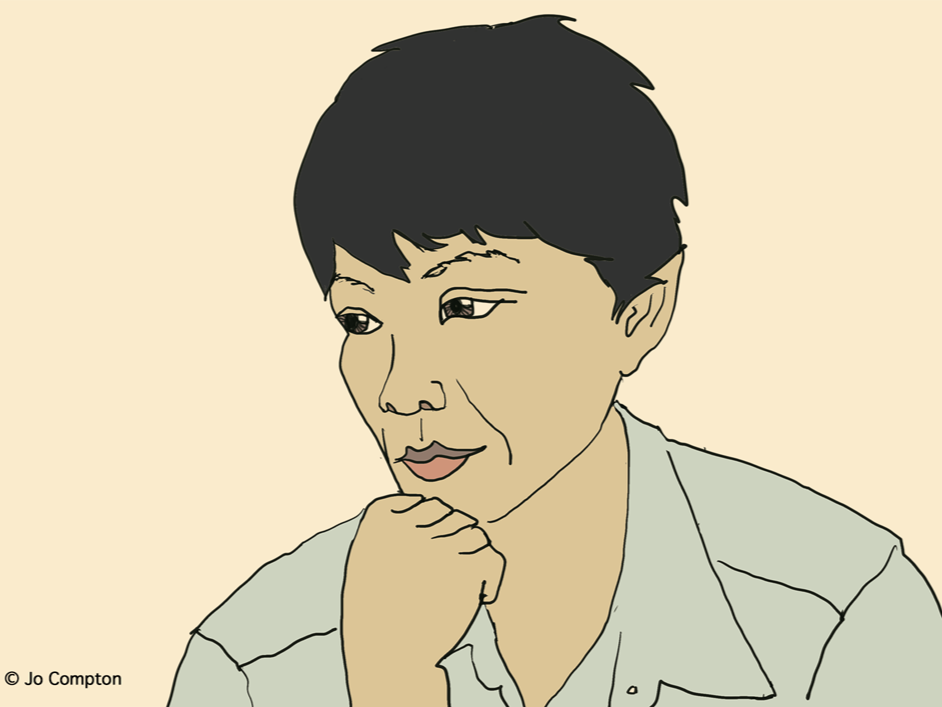
Elaine is an activist, journalist and refugee, living in London. She is a member of a local oversight group, co-ordinating education services. Primary-school performance was on the agenda. As she listened, Elaine noticed the conversation was focused on migrant children’s impact on performance.
As a refugee, Elaine recognised a simplistic explanation developed to explain a complex issue. (Un)fortunately for her colleagues, as a journalist, she had studied the reports and knew the data. She didn’t think the data supported the reasoning of the group. To her this was ‘wrong thinking,’ racist. Her values required her to speak and feeling like an outsider, she did not think herself to be entirely safe. She spoke anyway.
‘I’m hearing us blame the refugee children for these results. Am I getting this right?’
No response. In a louder voice. Holding the report up.
‘I have read the data. It doesn’t support such a simplistic conclusion. Feels like we are blaming them and sounding like we do not care. Are we ok with that? Don’t we need to think about what we can do to help; the last thing they need is to be blamed. Wouldn’t that risk be stoking up more racism. Is that what we want? I have been on the receiving end of this sort of thinking. Can we dig a bit deeper?
Silence.
The chair eventually speaks. He seems embarrassed.
‘That’s not my intention. I’m sorry. You are right. We haven’t got this right. What do others think?’
This is a constructively awkward intervention. If she had not spoken an already silenced group was about to be ignored again. Her refusal to go along with the emerging explanation, brought the group back to task. To think and to resist simple explanations. Her intervention was pitched in a way the chair of the meeting could hear and think. His own values came to the fore and maybe he hears authenticity in her voice; and perhaps the imminence of her Lordean rage.
The group did not consider the cost to Elaine. In a research interview, she described her inner dialogue. Her reflexive conversation to weigh the cost of speaking, aligning with her values, against the cost of silence; knowing this had implications for those she identified with. Silence was never an option.
‘I knew I was going to speak but I did not do so immediately. I was full of rage. How dare they treat people like this? It was as if I was back home, being forced to leave. I was back in the trauma, sitting here in this stupid meeting, in safe old London, raging against another lot of mindless bureaucrats just doing their job.’
She described her worries prior to speaking as follows.
- Losing control of my rage.
- My silence be taken as agreement.
- Being evicted from the group for not going along with its explanation.
- Mobilising my experience would trigger flashbacks, feeling ‘emptied’ (again).
- I wanted to be part of the group and be true to myself, my experience. As a refugee, journalist, activist, survivor.
Elaine’s description is a reminder that speaking up can be hard emotional and cognitive work. Made easier if others, even if they do not agree, recognise and defend a duty and right to ask challenging questions.
4. Disagreement as a way of connecting
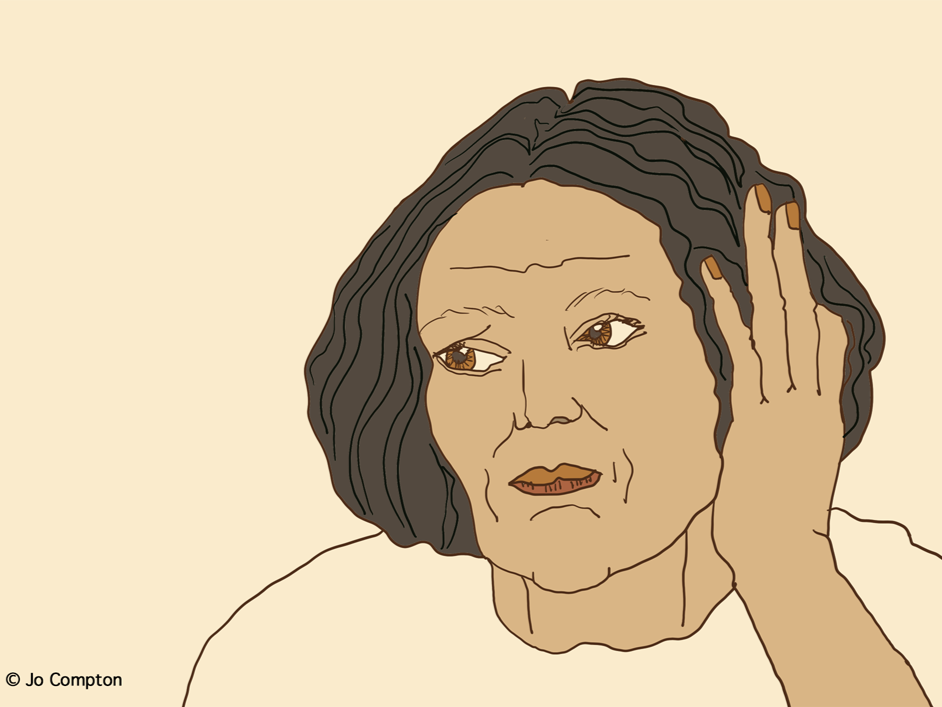
Sulhara is a senior nurse. She described a conversation with a senior manager, two weeks after a fiery exchange. She had challenged his interpretation of the risk data in a meeting.
‘I had decided to go for it. He countered, raising his voice, saying that it was me who was wrong. I said I was not wrong and took him line by line through the report... A few weeks later I phoned him up and asked him if he could help me. He said, ‘’you are one of the few people I’ve ever met who believes that having an argument is a basis for a good relationship.’’ I laughed and said, “I guess we know each other a bit better now”.’
Her story shows an important aspect of speaking up. The role of listener. To be constructively awkward needs at least one person, who despite feeling like the ‘target,’ is curious about what is being said and what it might means for their thinking. Disagreement becomes a connection, a form of collaboration.
Sulhara demonstrated an important skill; she refused the label of ‘difficult.’ Someone (nurse, women etc) who did not know their place. She talked about re-framing the labels thrown around when she and others spoke up.
You’re arrogant.
No. I’m just determined.
You’re stupid.
No. I need more information, can you help?
It’s not your place.
OK, but when and where is ok, my intention is to be helpful.
You like to argue.
No, we both have strong feelings. This is important to both of us, let’s talk some more.
You’re too angry.
No. This is not OK. I’m not getting at you; it’s the situation we need to talk about.
Finally, sometimes when others fail to listen it can shift ‘constructive’ to something less so. An important skill is a willingness to acknowledge when this happens and to demonstrate a wish to repair things. As one person I spoke to said:
‘I gave it to them both barrels and next Sunday I had to use my sermon to apologise and remind them why this was such an important issue in the community. You have to know when to backtrack.’
Explore Handbooks