WELCOME TO SAFE TO SPEAK
Safe to Speak
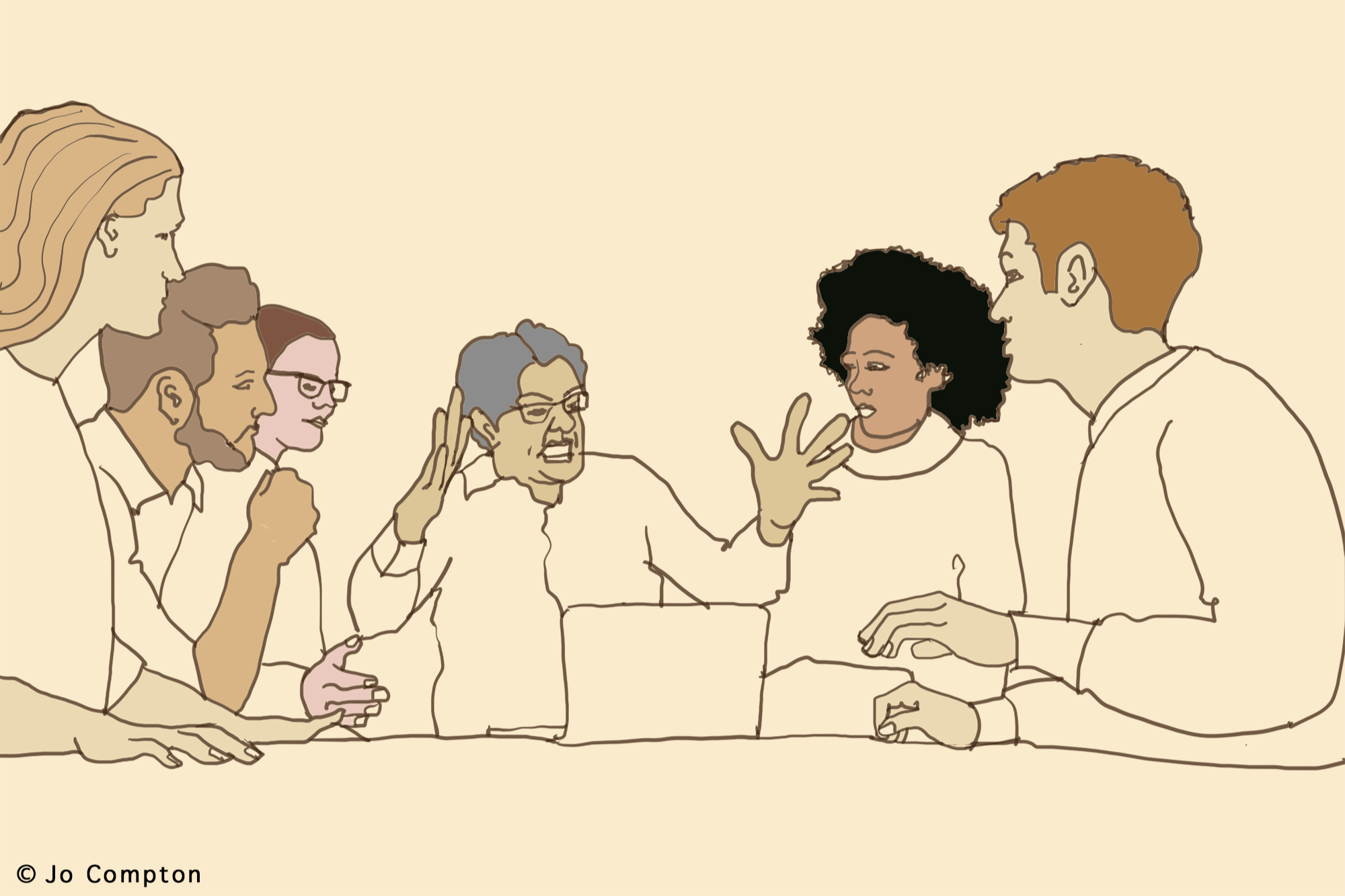
We are often told that when people don’t speak up, it’s because they lack courage or confidence. This explanation is incomplete. Silence is rarely just an individual failing. It is shaped by the actions and inactions of others, by power, by workplace cultures, and by deeply learned ideas about who is allowed to speak, to whom, and about what.
Many people who are silenced are left angry, guilty, and blamed – while the difficulty others have in listening can go unexamined. This website is organised around three handbooks and blogs. Each offer ideas, tools, and reflections to help you understand and reduce the risk of being silenced in everyday conversations – and to help create conditions where others can find and keep their voice.
EXPLORE THE HANDBOOKS
Three pathways to understanding and change
Each handbook offers practical ideas and reflections to help you speak, listen, and create safer conversations.
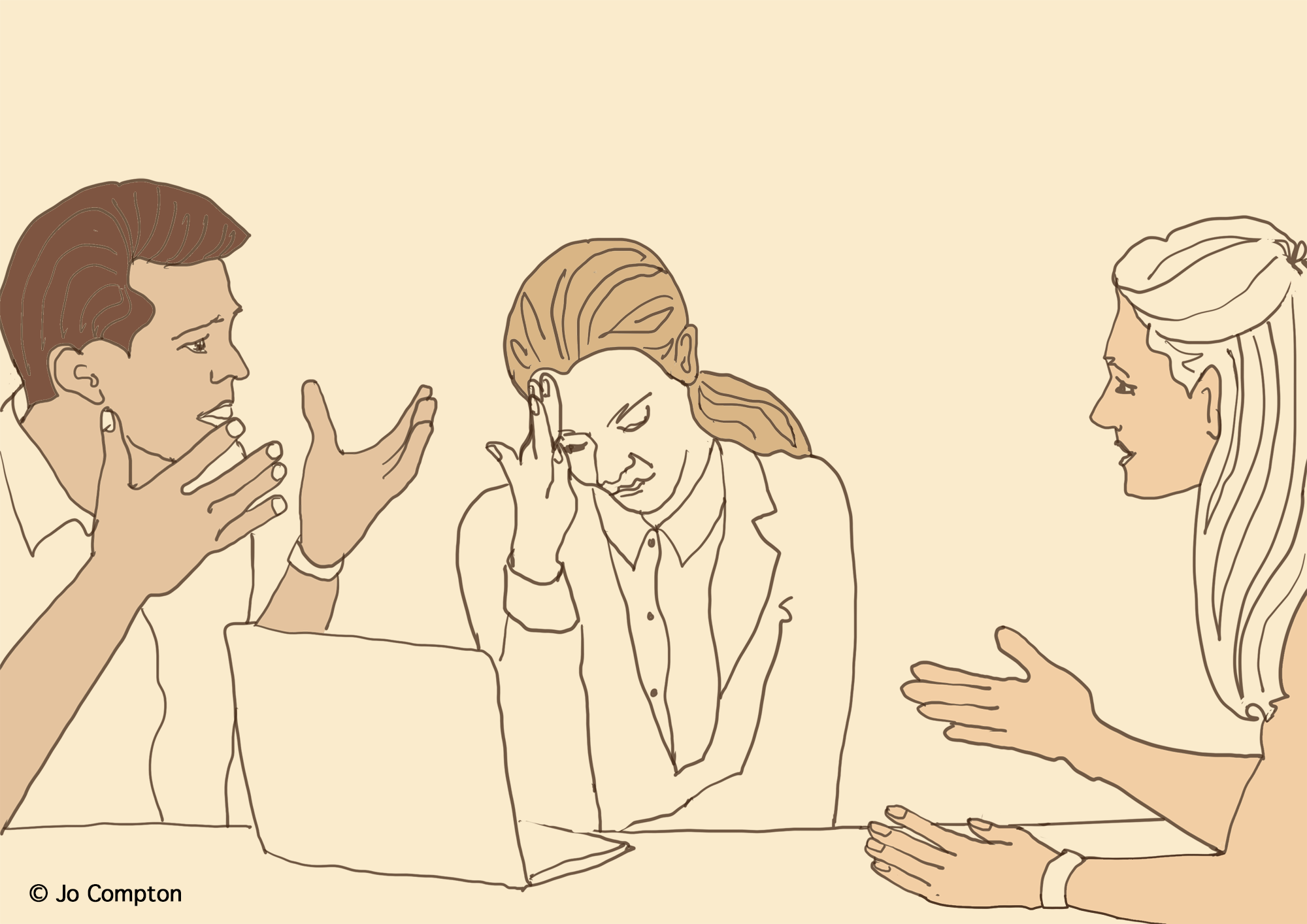
Handbook 1
Finding your voice
How upbringing, education and work culture and power shape our ability to speak – and how we can find and keep our voice.
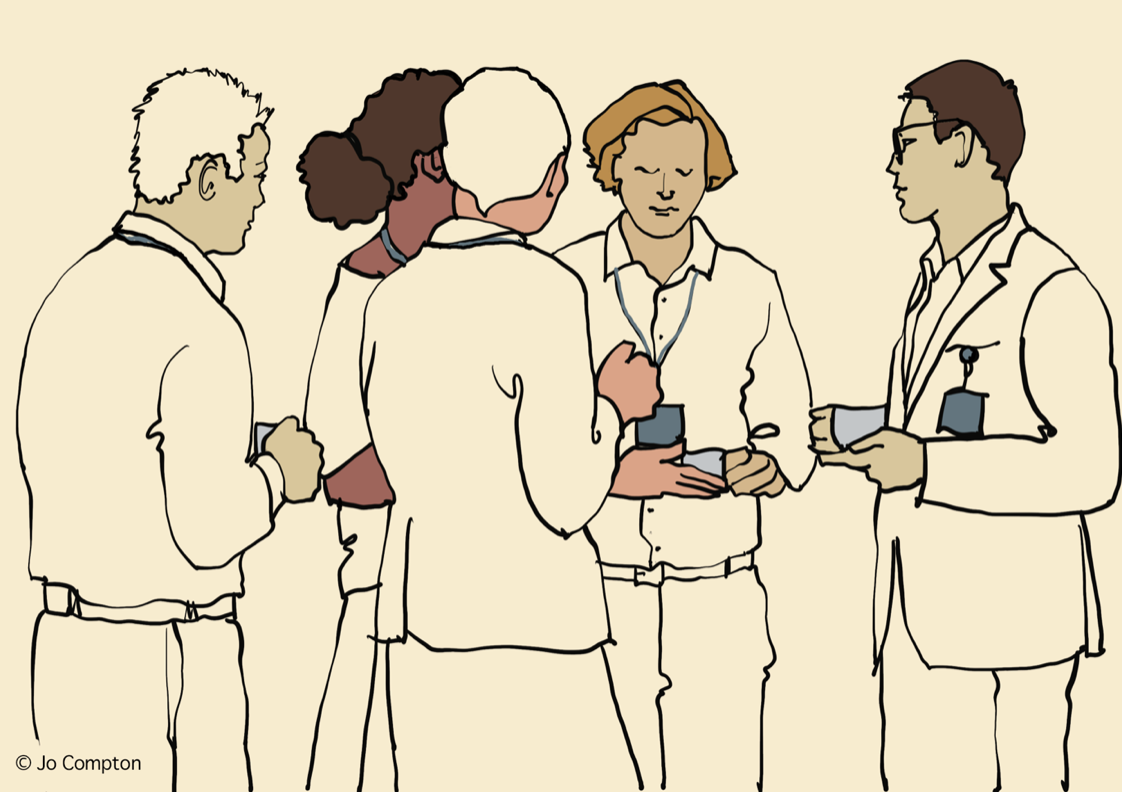
Handbook 2
Making it safer for others to speak
Understanding how leaders, colleagues, and cultures make it safer - or harder - for people to speak
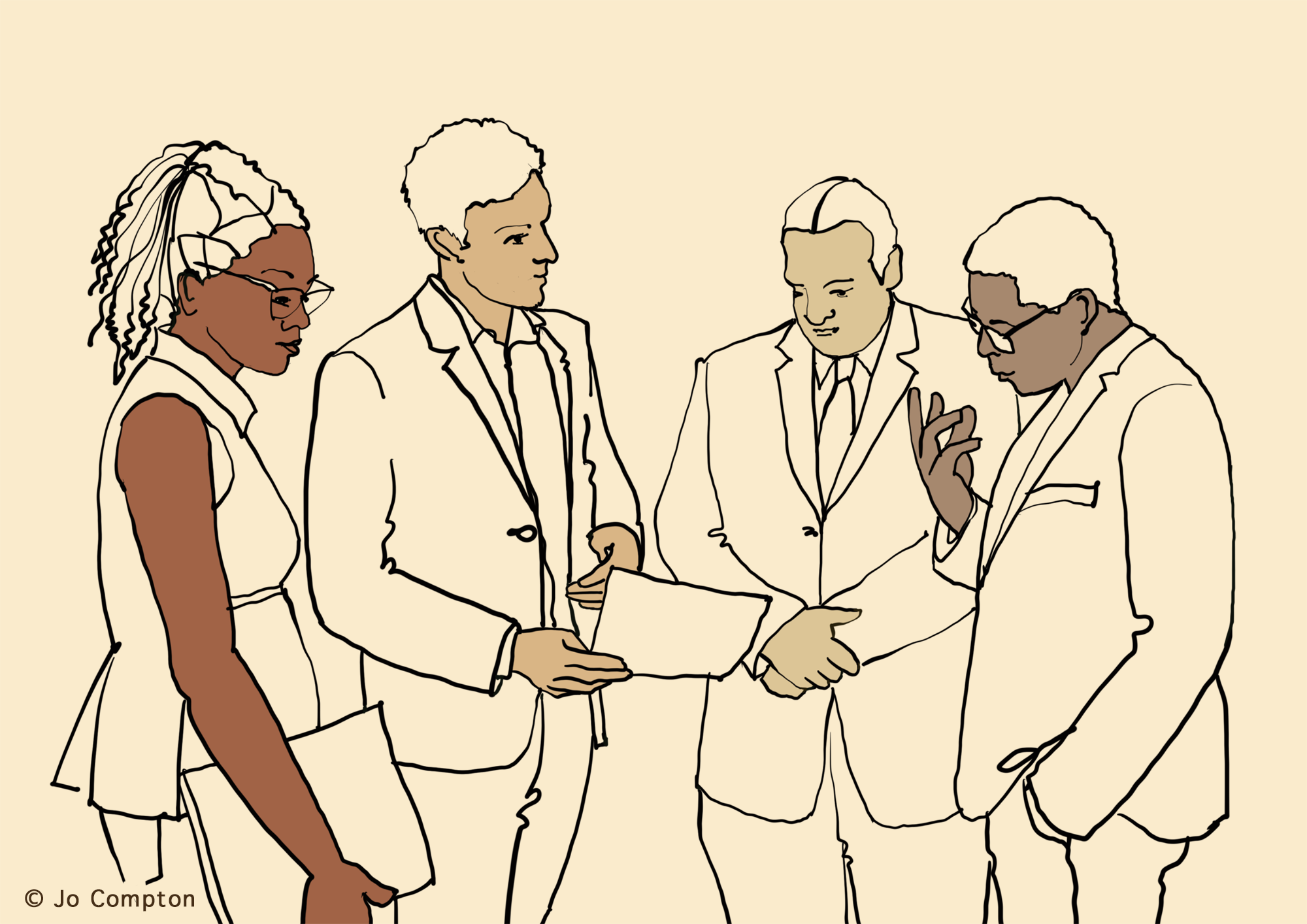
Handbook 3
Investigating when talking goes wrong
Exploring what happens when people feel unable to speak or listen - and what this can teach us about making it safer to do both.
LATEST WRITING
Latest from the blog

Note: References to the English NHS should not be a limiting factor of the reach of this site. It is safer to assume the issues described here are familiar across sectors and professions.