For Rob - an introduction to Handbook 3
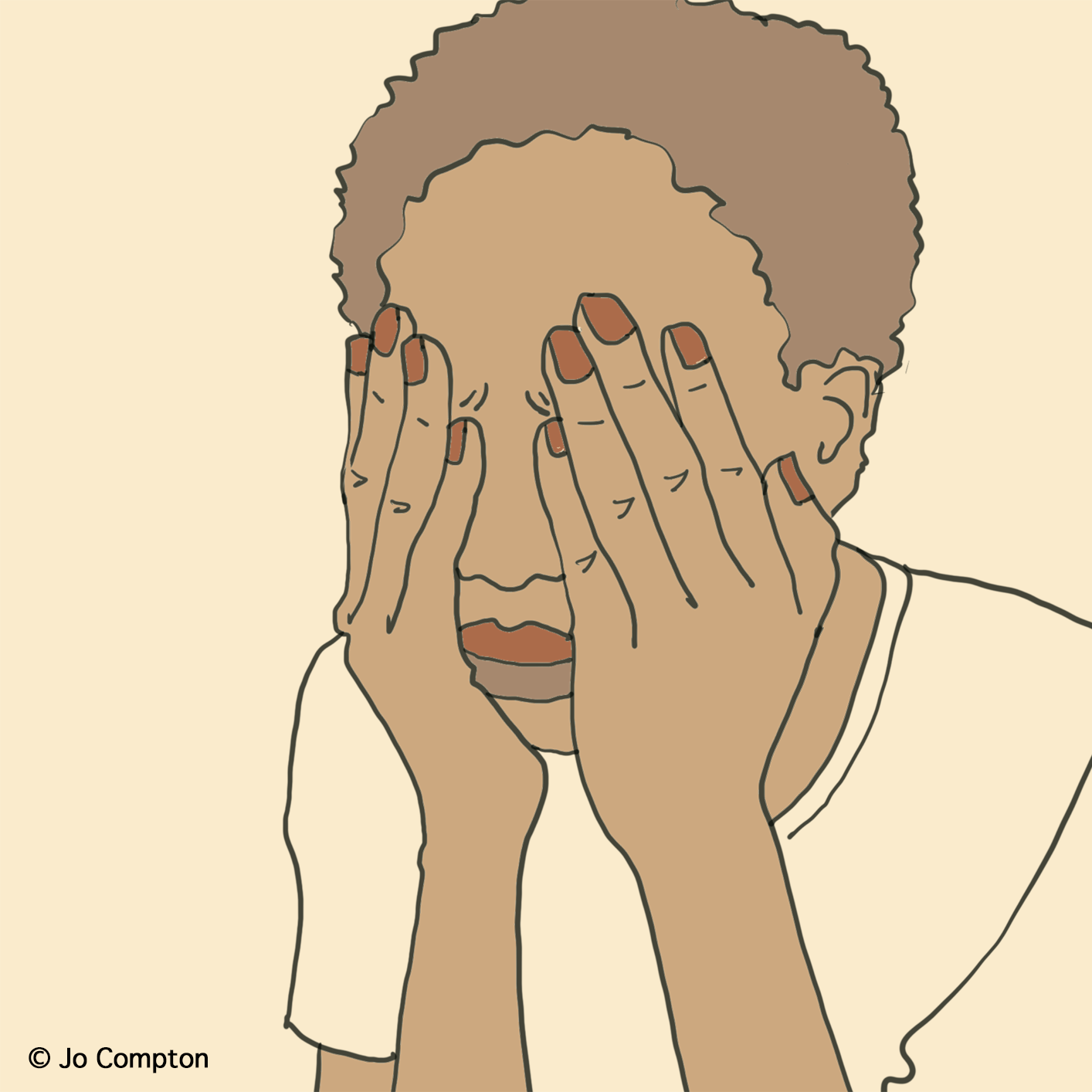
When I was at school, studying for A levels, my brother died after a short illness. Returning to school I was greeted by a kindly teacher. He said he was glad to see me back; he was very sorry about Rob but it was time to focus and study for my exams – ‘to get back to normal.’ I knew he meant well but what I heard was - ‘shut up and be quiet’. I knew my family’s situation was a long way from normal; and I realised I was being taught a lesson about what it is ok to talk about around here.
Limits, real and imagined were imposed on my talk. Even if I had the freedom to speak and the inclination to do so, I knew my voice had gone quiet about certain subjects and certain people. I was a compliant pupil and had learnt my lessons well. I policed my voice; I had internalised the rules about how someone like me, should talk to whom about what. I was indoctrinated into an aspect of my school culture; so, I knew where the prohibited subjects were to be found; where not to trespass; and if I did, it would be an act of disobedience.
Years later, working at The King’s Fund, thinking about my research question for my professional doctorate I was reminded of these lessons. At the Fund I was having conversations with people who had it far worse. Who had been bullied and coerced into their silence. I felt a kinship and I wanted to be help but my theory was lacking.
The struggles with my own silence had led me to people who were reliable and present. People who recognised the depth of my feeling and who could stand my incoherent rage. People who helped me find my words, without telling me what to think or say. Words to name and examine this overwhelming subjectivity and place it in its wider, familial and cultural context. It was not all about me.
How we understand, face and talk about our tribulations and losses, is mediated by who and what went before. Our evolutionary inheritance, our unique upbringing and education; our professional training and the wider cultural and social context, all help to determine how we respond. My family, in its moment of loss, had no useful words or experiences [1]. Just a hope. If we don’t talk about this too much, things will eventually get back to normal.[2]
How we talk at work, as in families, is mediated by those around us, particularly those who hold influence and seniority. People who can deliberately or unwittingly use their power to reinforce a false belief. That when we fail to speak up, it is best explained as our fault; and what we lack is resilience; and how next time, we must try harder. A line of reasoning that hides a critical question in both domains - why is it so hard to listen? In both domains, some people, sometimes for good and sometimes out of self-interest, would prefer that some conversations, about some topics, between some people, do not take place. That there should be silence. Therefore, credible guidance about speaking must include ideas to examine the ‘no go’ areas, why that might be the case and how and by whom (including self-silencing) a no talk zone is enforced. Handbook 3 provides this guidance.
Limits, real and imagined were imposed on my talk. Even if I had the freedom to speak and the inclination to do so, I knew my voice had gone quiet about certain subjects and certain people. I was a compliant pupil and had learnt my lessons well. I policed my voice; I had internalised the rules about how someone like me, should talk to whom about what. I was indoctrinated into an aspect of my school culture; so, I knew where the prohibited subjects were to be found; where not to trespass; and if I did, it would be an act of disobedience.
Years later, working at The King’s Fund, thinking about my research question for my professional doctorate I was reminded of these lessons. At the Fund I was having conversations with people who had it far worse. Who had been bullied and coerced into their silence. I felt a kinship and I wanted to be help but my theory was lacking.
The struggles with my own silence had led me to people who were reliable and present. People who recognised the depth of my feeling and who could stand my incoherent rage. People who helped me find my words, without telling me what to think or say. Words to name and examine this overwhelming subjectivity and place it in its wider, familial and cultural context. It was not all about me.
How we understand, face and talk about our tribulations and losses, is mediated by who and what went before. Our evolutionary inheritance, our unique upbringing and education; our professional training and the wider cultural and social context, all help to determine how we respond. My family, in its moment of loss, had no useful words or experiences [1]. Just a hope. If we don’t talk about this too much, things will eventually get back to normal.[2]
How we talk at work, as in families, is mediated by those around us, particularly those who hold influence and seniority. People who can deliberately or unwittingly use their power to reinforce a false belief. That when we fail to speak up, it is best explained as our fault; and what we lack is resilience; and how next time, we must try harder. A line of reasoning that hides a critical question in both domains - why is it so hard to listen? In both domains, some people, sometimes for good and sometimes out of self-interest, would prefer that some conversations, about some topics, between some people, do not take place. That there should be silence. Therefore, credible guidance about speaking must include ideas to examine the ‘no go’ areas, why that might be the case and how and by whom (including self-silencing) a no talk zone is enforced. Handbook 3 provides this guidance.