HANDBOOK 2
Making if safer for others to speak
One thing you can do to help people speak up and listen is to investigate your own leadership behaviour.
Do you seek out and enable other voices?
Are you curious about any silent or angry voices?
Do you tend to do what you always do, when you have a conversation or chair a meeting?
This handbook will help you make things safer for people to speak; ask awkward questions and collaborate; in a way that doesn’t feel like it will undermine your authority.
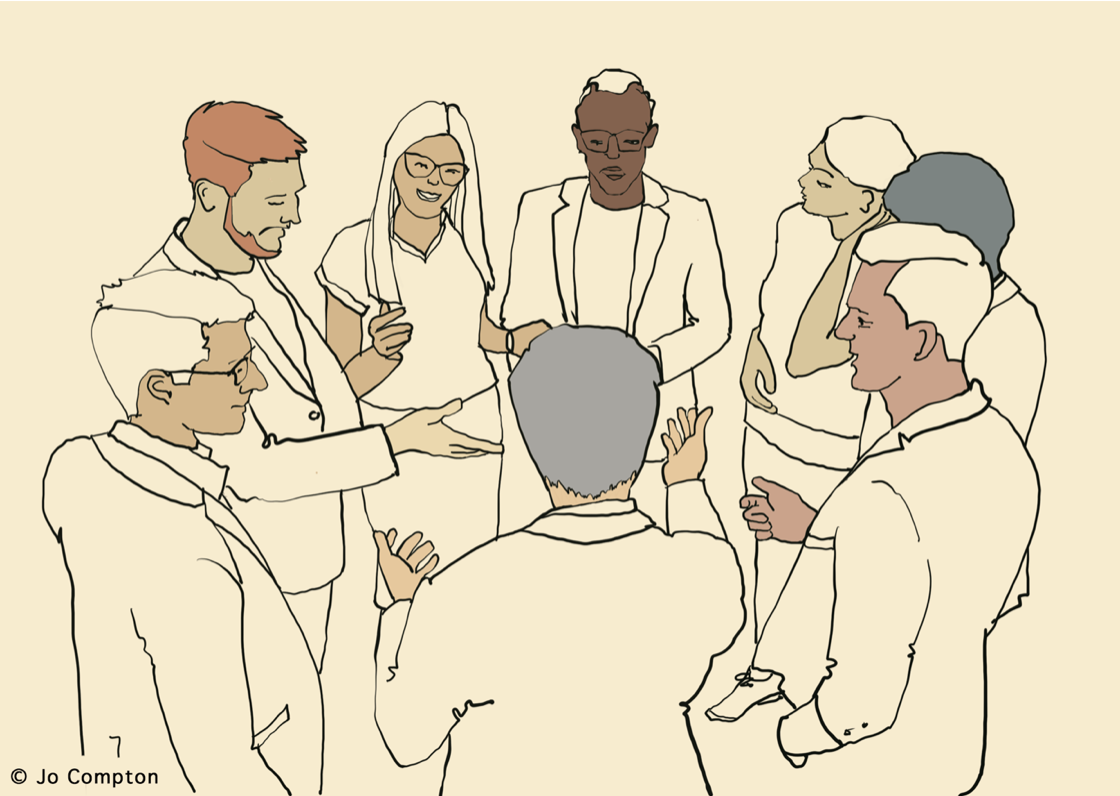




2.1 What do I already know about making it safer?
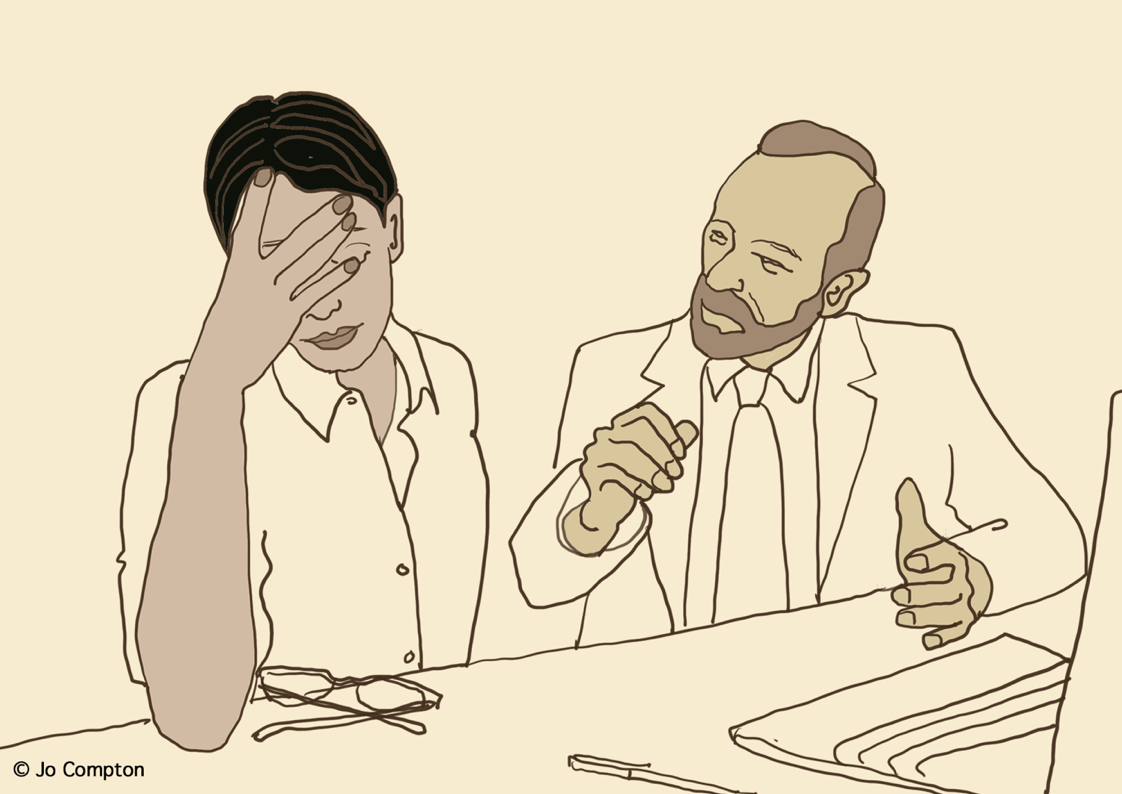
You may be the senior person in the room, but you know about the anxiety of speaking up. So, how do you use this knowledge to help another feel safer?
Think of a time when you had to speak. Use these questions to review the experience and think about the small things you could do to help others.
Why did you feel you must speak up?
What helped you decide to speak?
What was your biggest concern before speaking?
What did others do that helped?
What else could others do that would help?
What did the chair/leader of the meeting do to make it easier to speak?
What did they do that made it harder?
2.2 How do I make my meetings safer?
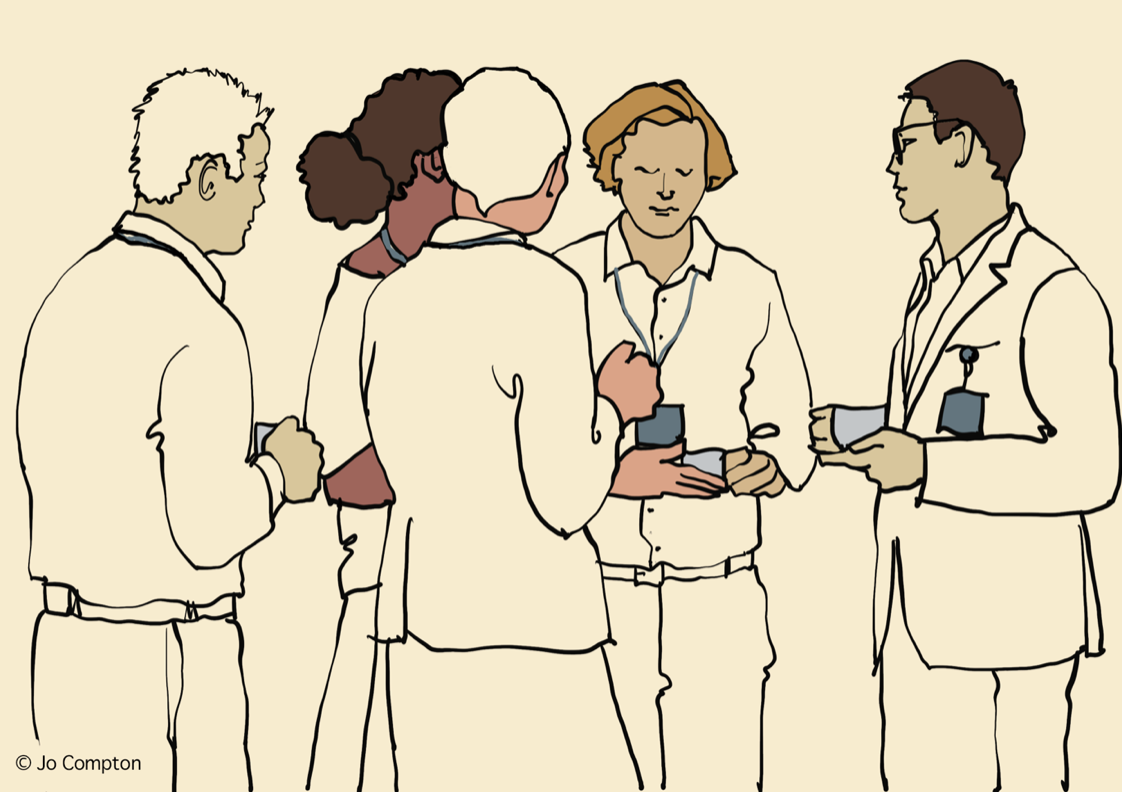
If you run a meeting like you always do, you will get similar results. A few small changes can make a big impact on the conversational culture. Some people will feel safer to share their insights and know-how. Others will find it easier to listen, as cherished ideas are questioned. What follows is obvious and can be overlooked.
-
The first decision is deciding the conversation you want.[9]
- Is it instrumental? – There is a shared understanding of what is going on and what needs doing. People need to be tasked and to execute the procedure correctly.
- Or is it inquiry? – The issue is complex, hard to define, with no obvious ‘solution.’ You need to hear a wide range of voices, enable collaboration in order to understand what is going on and what to try.
- Have you invited the right people? – If it is an inquiry conversation, then the smaller the better. Check if you have unintentionally invited the usual faces. People who tend to agree with you and each other.
- What about the room layout? – If you habitually go boardroom, it cues people to behave in a boardroom sort of way; looking at laptops, phones, doing email, anticipating what those in charge want to hear and not listen to. Don’t make it easy for people to disengage.
- Confidentiality – If the issue is contentious, consider a few words about confidentiality – you are asking people to share their know how. You neither want nor need a board level presentation. There is no perfect answer; no one is going to be attacked for saying the wrong thing. You want their help to investigate the uncertainty. So, people are entitled to a degree of confidentiality.
-
Welcome people, brief people on what is required of the group and individuals. Describe the conversation you want and what you need from people. Give people time to arrive and make it clear this conversation is important. People need to be in the room not on phones.
-
Try not opening with what you think if you have invited people into an inquiry conversation. Remember evolution. As people arrive, they will already be trying to work out the hierarchy in the room and what you want to hear, moderating their opinions accordingly.
How to try to help people say more:
- Through the meeting ask people for their thoughts and feelings.
- ‘I just want to check everyone has had the opportunity to speak.’
- Ask each person to say what is important from their perspective.
- ‘I am interested in your take on all this.’
- Ask people how they think the conversation is going.
- What are people’s thoughts about how we are managing this issue?’
- Say: what are we not understanding, avoiding?
- Who and what are at risk of ignoring if we leave it here?’
- Share your thoughts without implying this is the only way to think.
- This is what I’m thinking, not the only way, what am I not understanding?’
- Acknowledge and welcome the challenges to what you have said.
- ‘Say some more, what do I, what do we need to understand’
- Acknowledge and apologise when you get cross or dismissive.
- Sorry, this is hard. Help, what am I not hearing?’
- Draw attention to other’s dismissive comments.
- ‘What are we busily trying to silence; why now?’
- Be curious about the silences that punctuate the conversation.
- ‘Is this agreement or are we not talking about something?’
- Acknowledge risk taking.
- ‘Hard to say, thank you; what do you want to add?’

The Chatham House Rule is a good basic agreement for confidentiality:
When a meeting, or part thereof, is held under the Chatham House Rule, participants are free to use the information received, but neither the identity nor the affiliation of the speaker(s), nor that of any other participant, may be revealed. [10]
2.3 How I can shut people up
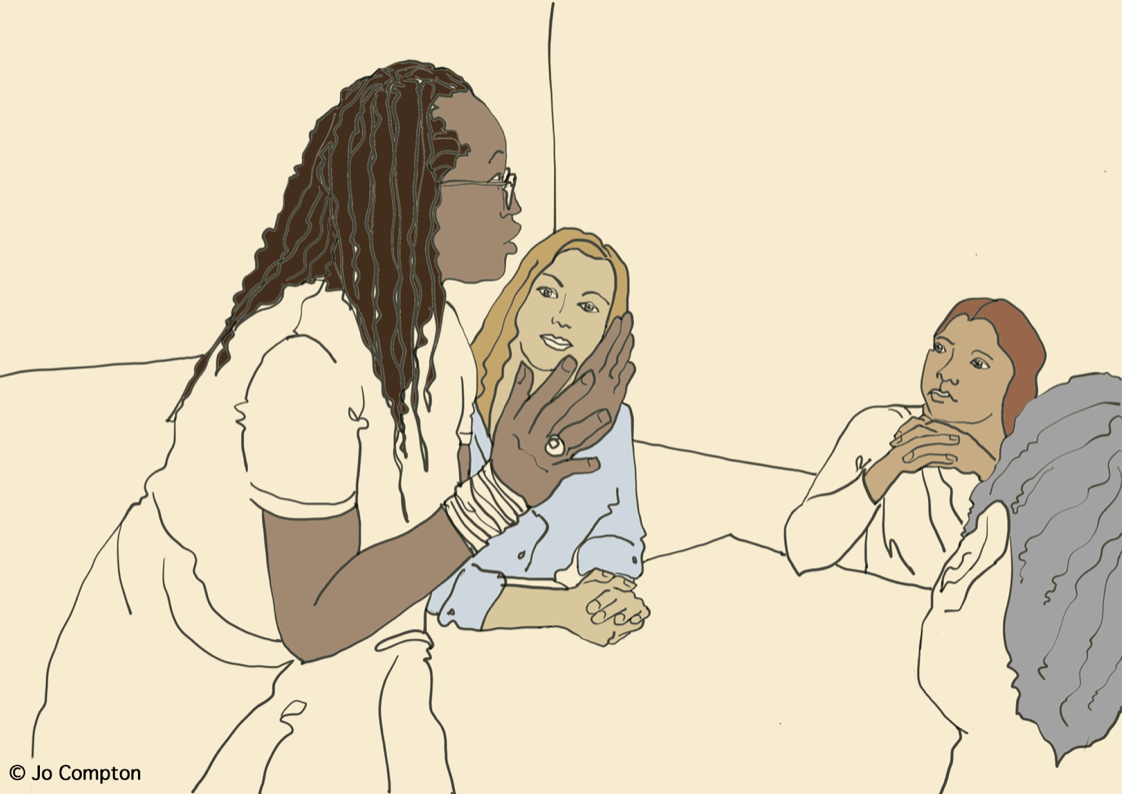
An astute leader understands good leaders can do bad things. The wise leader recognises the behaviours of bad leadership, in themselves and others.
Do you tell people to be quiet; claim there is no time, this is the wrong meeting; take them aside later and tell them off; ask for solutions not problems; assume that when things go wrong, your behaviour has nothing to do with it?
Think about why you might react like this. Is it the content? If not, is it the person saying it? Have they transgressed a cultural norm about how someone like them should speak to someone like you?

OBSERVATIONAL TASK
These questions help you decide if not listening is a reasonable response or a means to not hear something, you and others probably need to think about.
Are you ok replicating (and reinforcing) cultural norms about who should speak to whom about what?
As annoying as they seem, what way are they saying something useful?
If you listened more, what more could you understand about this issue?
What could you say or do to keep listening?
The observational task above, helps you notice how the work culture is replicated and reinforced by everyday behaviour. These questions help you notice some of the subtle effects of culture on the choreography and script of a conversation.
People who speak up can be dismissed by a label. The leadership skill is to acknowledge the ambivalence, reflected in the label; and that in their own way, they are doing their job. Saying what they think you and others need to hear. If the only labels available are derogatory, do not be surprised if people are silenced.
As we listen to someone speaking up, we should automatically assume that what they say is useful or valid. Individually we can claim that we know our own thinking and knowledge best. However, we should keep in mind that we can draw faulty conclusions. That what we think is the only way to think. Deciding what is valid, when faced with complexity should not be the prerogative of the few but the outcome of argument and collaboration.
Good leadership should not be conflated with good and ethical outcomes. These descriptions can help to evaluate our own and other’s behaviour. The astute leader knows they can behave badly in some situations. They also know how to moderate their behaviour in the moment and apologise when required.
These bad leadership styles rely on encouragement; cajoling; rudeness; incivility; coercion and bullying, to enforce silence and complicity. The wise leader can differentiate them from the use of hierarchical, directive interventions to name who and what is at risk of being silenced and ignored.
Recognition is aided by clear definitions of some of the behaviours.
Behaviours to make us doubt ourselves, particularly if camouflaged by people saying:
Bad leadership requires acquiescence. Acquiescence as surrender and self-imposed, self-policed silence. Acquiescence can also be an act of resistance. A thoughtful waiting. Sometimes, it is just not safe to say what needs saying. It is ok to wait. If it’s important it is worth waiting for a better moment.
Finally, keep asking the ethical question – what is being asked of me in this situation and what is the cost to others if I stay quiet?

CASE STUDY
Explore how respectful disagreement can strengthen relationships and improve understanding
OBSERVATIONAL TASK
As you wait to speak, consider the following to stay in role, awake and thinking.
You are ignored for a reason - what do you know others find hard to hear?
Could a different approach (e.g. outside of a meeting) help others to listen?
What small changes could make it safer for others to listen?
What small changes could make it safer for you to speak?
2.4 Concluding note
Good leadership is about helping people say more. Be able to listen to words that questions what we take to be obvious and true. Good leaders recognise they can silence other and themselves be silenced. What seems useful is to keep asking the ethical question – what is being asked of me in this situation and what is the cost to others if I stay quiet?
Continue to Handbook 3