Workbook 2
Things to try to help you say more
Here you will find small actions to test and modify in your situation.
Use your experience to make it safer for people to speak and listen
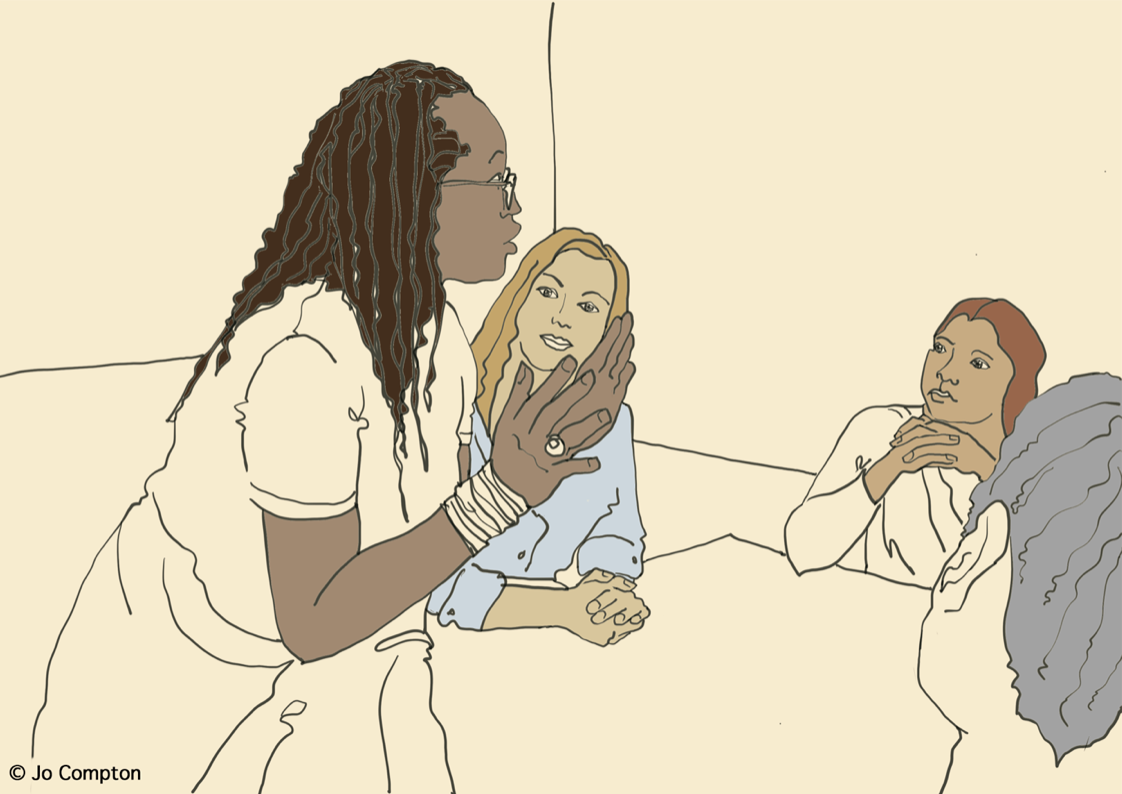
If the issue you and your colleagues are facing is complex, then it helps to pay more attention to how you facilitate a conversation or group. Doing what you usually do and say, may not be sufficient if you want to enable different voices and opinions to be heard, before deciding what to do.
Your knowledge about feeling safer (or not) means you can plan how to enable others to find and keep their voice.
Think about what you have needed yourself to feel safe to speak and question what is going on.
- What helped me to find my voice in this situation?
- What anxieties and concerns did I have to face and overcome?
- What were others doing or not doing to help me speak?
- What did I learn about using my voice in this situation?
Think about the times you felt silenced.
- What was your biggest concern about speaking?
- What feelings/emotions did you notice?
- What would have made it easier to speak?
- What was it about this issue that was problematic?
- What small changes would have made it easier to speak?
- As annoying as they are, in what way is this person correct or saying something useful?
- If I could really listen, how would it make us all a bit more knowledgeable about this issue?
- What is it I’m finding so hard to hear, and why?
- What could I say or do to help me keep listening?
- It is OK to ask out loud: ‘What am I not understanding – can you help me to think about this?’
This is a useful question when you are fed up with trying to understand what the other person means, where they are coming from, or you suddenly feel stupid. This question gets them to do the work of explaining their thinking, giving you time to think and, may be, ask supplementary questions.
What can I do to make it safer for people?

A leadership job is to help people say more, to share their distinctive ‘take’ on things. Do this well and multiple voices and ideas are heard - ushering in the next task of critically evaluating these, to arrive at a valid observation, theory, conclusion. Keep it simple. Tell people, that you think they have a right to speak, to be heard, and to listen.
Start at the planning stage by working out who needs to be in the room, then how to welcome and introduce things. Then in the meeting find ways to create a psychological safety and help people overcome their worries is the role of a good leader.
- Will people see and hear people like them in the room?
- Will they see people who share their profession/role?
- Will they feel welcomed?
- Will people know what I need from them?
Have I invited the right people or just the same old faces, the people who tend to agree with my outlook?
I make it harder for people to speak if I expect them to represent the whole of their team or profession.
Say ‘hello’. Check people know each other and brief them on the task: explain why this task, the time available for discussion, and what kind of conversation this is – Instrumental (telling people what to do) or Inquiry (a collaboration to investigate before agreeing what to do) [1].
I will say something like ‘I need your best thinking, and everyone’s voice is needed and welcomed.’ I will also say how I would like to manage confidentiality before we begin. And I will remind people again at the end.
- Ask each person for their initial, mid-point and concluding thoughts, feelings and hunches.
- Ask each person to say what is important from their perspective/experience/role/profession.
- Ask for questions and thoughts about how this issue has been managed and thought about so far.
- Ask about risk.
- Share your thoughts, without implying this is the only right way to think.
- Acknowledge the questions or challenges to what you have said.
- Be curious about the silences that punctuate the conversation.
- Acknowledge and apologise when you get cross or dismissive.
- Draw attention to other’s dismissive comments.
- Acknowledge risk-taking.
‘I want to check everyone has had the opportunity to speak.’
‘What’s your take on all this?’
‘What are people’s thoughts about how we are managing this issue? What could we do differently or think about?’
‘Who and what is at risk of being ignored or silenced as we talk and think like this?’
‘This is my take - it’s not the only way of thinking about this, what am I missing, not understanding?’
‘Ok, hard to hear, but it’s maybe what I/we need to hear. Can you say a bit more?’
‘Some people are quiet – is that agreement? I’m not sure. What are we busily not talking about?’ (INTERNAL LINK T2-P3 Types of silence)
‘Apologies. Hard to hear all these questions. One more time, what am I not understanding?’
‘I think maybe we do not want to think about what has just been said. What’s that about? What do people think?’
‘Hard to say, important to say, thank you.’
Investigating silence
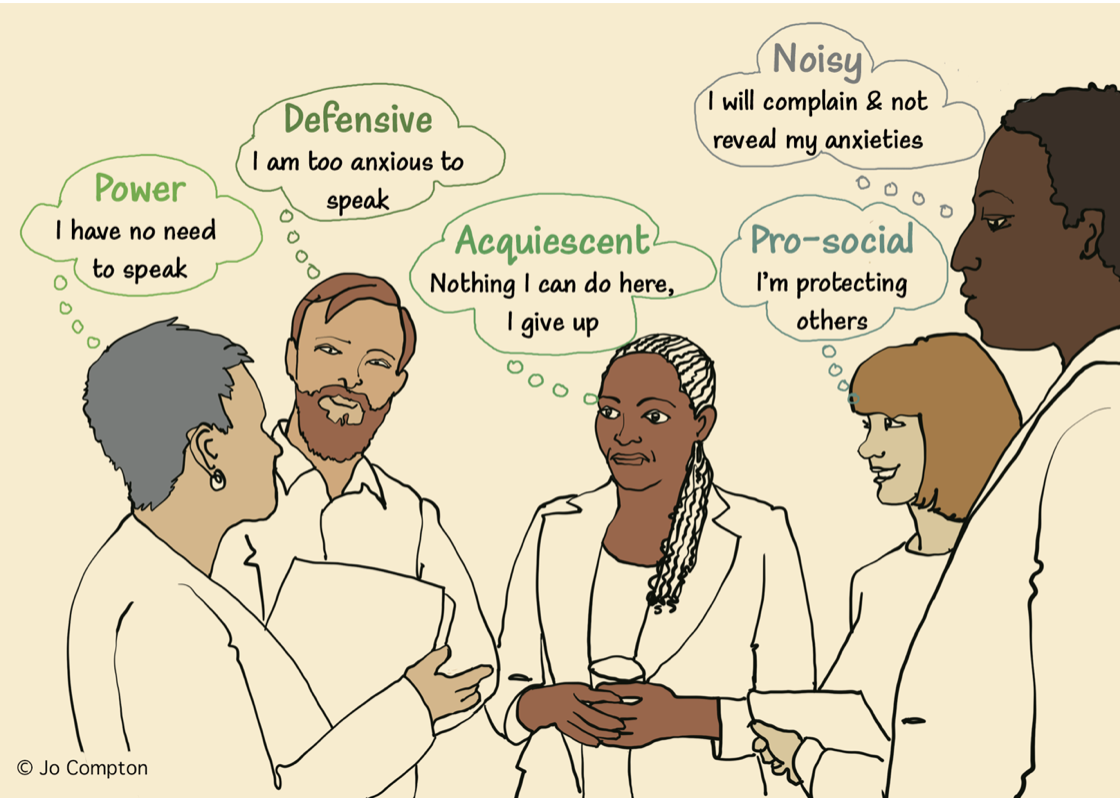
Silence can indicate our thoughtful acceptance. It can also signal that right now, we feel unsafe to share our thinking. To remain curious about the silences that punctuate our conversation is to commit to a reflexive practice: to think about who or what may be at risk of being forgotten or ignored as we talk this way – move to agreement.
In a meeting, try moving your attention away from the people speaking and tune into those who are silent. Think about what any silence may be communicating, using the five types described below. The skill is to balance your attention and also to focus on what is said and implied by silent voices.
We are silent when we feel unsafe. Simply telling people to speak up is insufficient advice and is uttered to avoid facing a difficult and interesting leadership question – how do I make it safer?
Try thinking about a time when you felt unsafe and silenced. A reminder, that however senior, we have moment when we know we should speak but express silence.
Feeling silenced is personal and is an experience mediated by the situation we find ourselves in. If we change the context, we make it safer for some, to bring their voice into the conversation.
- Power-based silence – I am so senior and important I do not need to speak for things to go my way.
- Noisy silence – I will talk endlessly to prevent others from contributing or complain in a way you never to get to hear about my real anxieties.
- Defensive silence – I’m too anxious to speak – I just feel unsafe. I need to take care of myself.
- Pro-social silence – I’m protecting others – inside and outside of the room. My connection to them is more important than sharing my thoughts about this issue.
- Acquiescent silence – I give up. I have checked out. Do what you like.
- As I sat there, what was I struggling with?
- In what way were these struggles relevant to the topic?
- Did anyone notice my silence, and what did they do?
- Who or what was at risk of being ignored or silenced?
- What small changes could have helped me to speak?
- What sort of welcome and introduction will I provide – will I inform people of the task, time available, etc.?
- How will I balance my chairing of the meeting and the outcomes I think I need - will I acknowledge these interests?
- How does the layout of the room inhibit/help talking – have I locked people into a formal frame of mind by this set up?
- How will I respond to the silent people - what might be at risk of being lost from the conversation if I do not pay attention?
- What is the best mix of roles and professions to get into the room?
- What one thing could I imagine doing or saying to make it easier for people to speak?
Next time you plan to chair a meeting, think about some of these questions.
What to do when it’s just unsafe
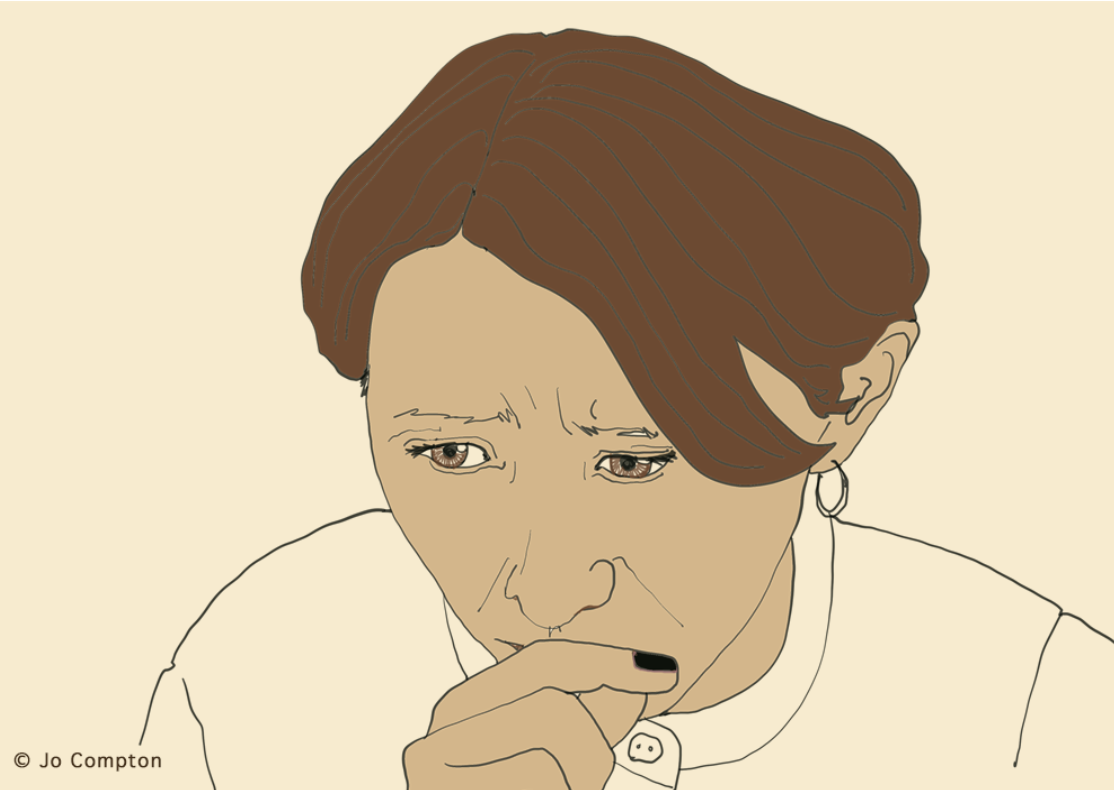
When psychological safety is absent, what can a responsible, capable professional do? It is to wait.
We can associate doing our job well with undertaking lots of activity. We can neglect the capacity to wait. If it is important, it’s worth waiting.[2] To wait is to stay in role, thinking, alert to the ebb and flow of relationships; noticing any opportunity to get heard.
As you sit, consider a basic question.
What is being asked of me, given my values, experience and know-how, in this situation?
Keeping this question in mind stops you going to sleep. You are on duty, thinking about your role and purpose.
- What rituals, behaviours and words are used to silence people and topics?
- What happens if people resist (e.g. raise the topic again, increase the volume of their voice)?
- How is encouragement offered to speak up and to investigate difficult issues?
- What one small thing could maybe make it easier for people to speak and to listen?
As you wait, consider the following.
- What did I come to say?
- What do I think others expect of me because of my role, experience and profession?
- What have I noticed that maybe others have not?
- Who and what is at risk of being silenced or ignored if I do not speak now?
- If I sit quietly, who benefits and why?
- If I sit in silence, what bad things could happen?
- Do I care if they happen?
- If I imagine myself speaking, what am I saying?
- What small change can I make to help myself speak?
This question can be broken down: